

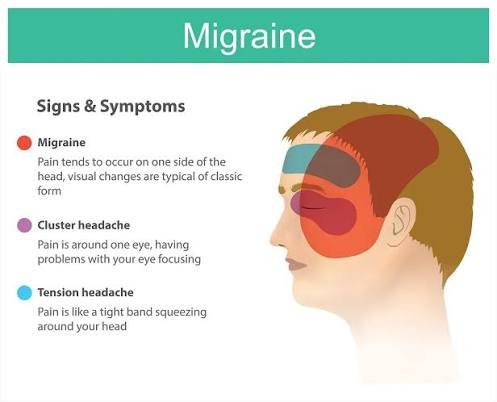
Migraine is more than an ordinary headache. It is a neurological condition that can cause intense or throbbing head pain along with symptoms such as nausea, vomiting, and sensitivity to light or sound. For some people, Migraine Symptoms can be so disruptive that normal work, school, or daily activities become difficult.
Not everyone experiences migraine in exactly the same way. Some people develop warning signs before the headache begins, while others may have migraine symptoms without experiencing significant head pain. Learning the typical pattern can help you recognize an attack and understand when medical advice is appropriate.
What Is a Migraine Symptoms?
A Migraine Symptoms e is a neurological disorder involving changes in the brain and nervous system. An attack can last for several hours and, in some cases, much longer.
The most familiar symptom is a moderate to severe headache, often described as throbbing or pulsating. The pain may affect one side of the head, although it can occur on both sides.
A migraine attack usually develops in stages, but a person does not necessarily experience every stage.
The four commonly described stages are:
- Prodrome: Early warning symptoms that can occur hours or even days before the headache.
- Aura: Temporary neurological symptoms that may occur before or during an attack.
- Headache: The painful phase of the attack.
- Postdrome: Symptoms that remain after the main headache has improved.
Understanding these stages is useful because some warning signs can appear before the pain starts.
Common Migraine Symptoms
The symptoms of migraine can vary considerably from one person to another. However, several symptoms are commonly associated with migraine attacks.
Throbbing or Pulsating Head Pain
Migraine pain is often described as pounding, throbbing, or pulsating. It may become worse with normal physical activity, such as walking or climbing stairs.
The pain can occur on one side of the head, but it is not always limited to one side.
Sensitivity to Light and Sound
Bright lights and loud noises can become unusually uncomfortable during a migraine attack. Some people prefer to rest in a quiet, dark room until the symptoms improve.
Sensitivity to smells can also occur. Strong perfumes, smoke, food odors, or other scents may make symptoms feel worse for some individuals.
Nausea and Vomiting
Nausea is another common migraine symptom. Some people may vomit during an attack, while others experience nausea without vomiting.
This can make it difficult to eat or drink normally, increasing the importance of staying hydrated when possible.
Visual Changes
Some people experience visual symptoms before or during a migraine. These can include flashes of light, zigzag patterns, shimmering spots, blind spots, or changes in vision.
Visual symptoms associated with migraine aura are usually temporary. However, a new or unusual change in vision should not automatically be assumed to be migraine.
Dizziness or Balance Problems
Some migraine attacks can cause dizziness, lightheadedness, or a feeling of unsteadiness. These symptoms can occur with or without severe headache.
Migraine can also be associated with a form known as vestibular migraine, where dizziness or balance symptoms may be particularly prominent.
Migraine With Aura
Aura refers to temporary neurological symptoms that can happen before or during a migraine attack.
Visual aura is the most common type. A person may see flashing lights, patterns, lines, or areas where vision appears missing.
Other aura symptoms can include:
- Tingling or numbness
- Difficulty speaking
- Temporary changes in vision
- Pins-and-needles sensations
- Problems finding the right words
Aura symptoms typically develop gradually and resolve within a limited period. Because some aura symptoms can resemble signs of a stroke, sudden neurological changes should be treated seriously, particularly when they are new or different from previous attacks.
Early Migraine Warning Signs
Not all migraine symptoms begin with head pain.
During the prodrome stage, some people notice changes such as:
- Frequent yawning
- Mood changes
- Food cravings
- Neck stiffness
- Increased thirst
- Frequent urination
- Trouble concentrating
- Changes in energy levels
These signs may appear before the headache. Keeping a migraine diary can help you identify whether certain symptoms consistently appear before your attacks.
What Can Trigger a Migraine?
Triggers are not identical for everyone. Something that causes an attack in one person may have no effect on another.
Commonly reported triggers include:
Stress
Emotional stress and periods of intense pressure can contribute to migraine attacks in some people. Interestingly, an attack may sometimes occur after a stressful period ends rather than during the stressful event itself.
Changes in Sleep
Sleeping too little, sleeping much longer than usual, or changing your normal sleep schedule may contribute to attacks.
Keeping a relatively consistent sleep routine can be useful if sleep changes appear to be one of your personal triggers.
Skipping Meals
Going for long periods without eating may trigger headaches or migraine attacks in some people.
Regular meals and adequate fluid intake may help reduce problems associated with missed meals, although they cannot prevent every migraine.
Hormonal Changes
Some people experience migraine attacks around hormonal changes, including those associated with menstruation.
Hormonal patterns can be particularly useful to track if attacks repeatedly occur at similar points in the menstrual cycle.
Certain Foods and Drinks
Individual food triggers vary. Some people report problems after consuming particular foods or drinks, while others do not.
Rather than eliminating large numbers of foods unnecessarily, it is usually more practical to record what you eat alongside your symptoms and look for a consistent pattern.
How Migraine Symptoms Differ From a Regular Headache
A typical tension-type headache may feel like pressure or tightness around the head. Migraine is more likely to involve moderate or severe pain along with symptoms such as nausea or sensitivity to light and sound.
However, symptoms can overlap. You cannot always determine the cause of a headache based on one symptom alone.
If headaches are frequent, severe, changing in pattern, or interfering with daily life, discussing them with a healthcare professional is a better approach than repeatedly self-diagnosing.
How Are Migraines Diagnosed?
There is no single blood test that confirms migraine.
Healthcare professionals generally consider the person’s symptoms, medical history, headache pattern, and neurological examination. They may ask questions about:
- How often headaches occur
- How long attacks last
- Where the pain occurs
- What the pain feels like
- Other symptoms
- Possible triggers
- Medications being used
- Family history of migraine
In some situations, additional testing may be considered to rule out other causes of headache.
What Can You Do During a Migraine Attack?
If you recognize your usual migraine pattern, several simple measures may make the episode easier to manage.
Resting in a quiet, dark room can help when light and sound are aggravating symptoms. Drinking fluids may also be helpful, particularly if nausea or vomiting has made it difficult to maintain normal fluid intake.
Some people find relief from a cool or warm compress, depending on their individual preference.
If a healthcare professional has recommended a migraine treatment plan, following that plan as directed is generally more useful than repeatedly trying different remedies without guidance.
Avoid taking pain medicines excessively. Frequent use of acute headache medication can itself contribute to medication-overuse headaches.
When Should You Seek Medical Help?
Most migraine attacks are not medical emergencies. However, certain headache symptoms require urgent evaluation.
Seek emergency medical attention for a headache that:
- Begins suddenly and reaches severe intensity very quickly
- Occurs after a significant head injury
- Is accompanied by weakness, fainting, confusion, or severe difficulty speaking
- Occurs with a seizure
- Is associated with a high fever and severe neck stiffness
- Causes a major or sudden change in vision
- Is substantially different from your usual headaches
A sudden, extremely severe headache should not simply be assumed to be migraine.
You should also speak with a healthcare professional if headaches are becoming more frequent, changing in character, interfering with normal activities, or requiring frequent use of headache medication.
Keeping a Migraine Diary
A migraine diary can be surprisingly useful. Record the date and time of each attack, how long it lasted, the symptoms you experienced, what you ate, your sleep pattern, stress levels, medications, and any possible triggers.
Over several weeks, patterns may become easier to recognize.
For example, you might discover that attacks repeatedly follow irregular sleep, skipped meals, or a particular stage of your menstrual cycle. A diary can also give your healthcare professional more useful information during an appointment.
Common Mistakes People Make
One common mistake is assuming that every severe headache is a migraine. Headaches have many possible causes, and new or unusual symptoms deserve proper evaluation.
Another mistake is focusing only on food. Migraine triggers can involve sleep, stress, hormones, hydration, environmental factors, and other individual circumstances.
It is also easy to overuse over-the-counter pain medication when attacks occur frequently. If you regularly need medication for headaches, discuss the pattern with a healthcare professional rather than continually increasing self-treatment.
Finally, do not ignore a major change in your usual headache pattern.
Frequently Asked Questions About Migraine Symptoms
What are the most common migraine symptoms?
Common migraine symptoms include moderate to severe headache, throbbing or pulsating pain, nausea, vomiting, and sensitivity to light or sound. Some people also experience aura or visual changes.
Can you have migraine symptoms without a headache?
Yes. Some people can experience migraine-related neurological or other symptoms without significant head pain. This is sometimes described as migraine aura without headache.
How long do migraine symptoms last?
The duration varies. The headache phase of a migraine can last for hours and may continue for more than a day. Other stages and symptoms can occur before or after the headache.
What does migraine aura feel like?
Migraine aura can cause temporary visual changes, tingling, numbness, or difficulty speaking. Visual effects may include flashing lights, zigzag patterns, or blind spots.
Can stress cause migraine symptoms?
Stress can be a trigger for some people. Changes that occur around stressful periods, including disrupted sleep or eating patterns, may also contribute to attacks.
Should I see a doctor for frequent migraines?
Yes. If headaches happen frequently, are becoming more severe, interfere with daily activities, or require frequent medication, professional evaluation can help identify an appropriate treatment approach.
When is a headache an emergency?
A sudden, extremely severe headache or a headache accompanied by symptoms such as weakness, confusion, seizure, severe speech difficulty, or significant vision changes requires urgent medical evaluation.
Final Thoughts
Recognizing migraine symptoms can help you understand your own headache pattern and identify potential triggers. Migraine is not simply a bad headache; it can involve pain, nausea, sensory sensitivity, visual changes, and other neurological symptoms.
Keeping track of attacks can make patterns easier to identify and can provide useful information for a healthcare professional. Most importantly, do not dismiss a sudden or dramatically different headache as an ordinary migraine. When symptoms are unusual, severe, or accompanied by neurological changes, getting medical attention is the safer choice.