
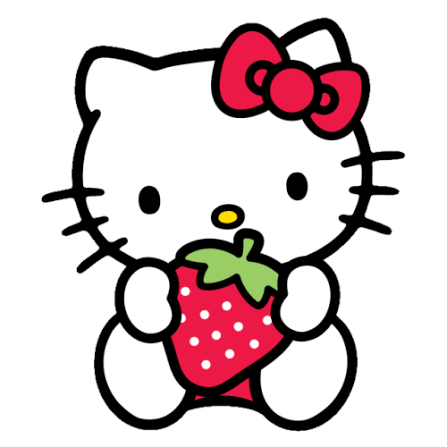
If you’ve searched for a “hello kitty png,” you’re probably trying to drop a clean, background-free image of the character into a birthday invite, a phone case design, a school project, or a social media graphic. That part is simple enough — a PNG file just means the image has a transparent background instead of a white or colored box around it, so it sits neatly on top of whatever you’re designing.
The part that trips people up is what happens after they find the image. Hello Kitty PNG isn’t public domain artwork or a generic clip-art character. She’s owned and tightly controlled by Sanrio, the Japanese company behind her since 1974. That single fact changes how you should think about downloading, editing, and especially selling anything with her image on it.
This guide covers both halves of the problem: how PNG files actually work, and how to use Hello Kitty images without running into copyright trouble.
What Is a Hello Kitty PNG, Exactly?
PNG stands for Portable Network Graphics. Unlike a JPEG, which fills every pixel with color, a PNG file can have pixels that are partially or fully see-through. That’s what makes a “hello kitty png” useful for design work — you get just the character, without a rectangular background getting in the way when you layer it onto a card, a t-shirt mockup, or a slideshow.
Not every Hello Kitty image online is actually a proper PNG, though. Plenty of search results are JPEGs with a white background that only look transparent in a thumbnail. If you need true transparency, check the file extension before downloading, and if possible, preview it on a colored background to confirm the edges are clean.
Why the Source of the Image Matters
Here’s the thing most quick tutorials skip over: Hello Kitty is protected by copyright and trademark law, and Sanrio actively enforces both. That means:
- Downloading a fan-made or unofficial PNG for personal, non-commercial use (like a birthday card for your kid) is low-risk and extremely common, but it’s still technically using someone else’s intellectual property without permission.
- Using that same image on products you sell — mugs, shirts, stickers, printables — is a real legal risk. Sanrio has pursued takedowns and legal action against sellers using unlicensed Hello Kitty artwork, including on marketplaces like Etsy.
- Many “free hello kitty png” sites host low-quality, ad-heavy downloads that may also carry their own usage restrictions or bundled software you don’t want.
None of this means you can’t use Hello Kitty images at all. It means the purpose of your project should guide where you get the image from.
Where to Actually Get One
For personal, non-commercial projects (party invitations, a phone wallpaper, a school presentation, a scrapbook):
- Sanrio’s official website and app sometimes offer downloadable assets or wallpapers for personal use — check their terms before assuming a broader license.
- General clip-art and sticker sites that host user-submitted fan art are common, but treat them as unofficial. Stick to reputable, well-known platforms rather than random pop-up-heavy download sites.
For commercial use (merchandise, branded packaging, anything you plan to sell or use in paid marketing):
- Go through Sanrio’s official licensing program. Sanrio licenses its characters to approved manufacturers and designers, and this is the only route that removes real legal risk.
- If full licensing isn’t realistic for your project, consider a cat-themed character you create yourself, or look at royalty-free “kawaii cat” illustration packs that aren’t tied to a specific trademarked character. You get a similar aesthetic without the legal exposure.
Editing and Using the PNG Once You Have It
If you’ve settled on an image appropriate for your use case, a few practical tips:
- Resizing: PNGs scale down cleanly but can look blurry or pixelated when enlarged too far, especially low-resolution web downloads. If you need a large print, look for a source offering at least 1000–2000 pixels on the longer side.
- Background removal: If your file isn’t actually transparent, tools like remove.bg, Photopea (a free browser-based alternative to Photoshop), or GIMP can strip the background out. This works best on images with clean, high-contrast edges.
- Color changes: Simple recoloring (say, changing the bow color) is easy in most free editors using a “select by color” or hue adjustment tool — but keep in mind that a recolored derivative is still based on copyrighted artwork, so the licensing considerations above still apply.
- File format after editing: Always re-export as PNG (not JPEG) after editing if you need to preserve transparency — JPEGs don’t support transparent pixels at all.
Common Mistakes People Make
- Assuming “free download” means “free to use commercially.” These are two different things. A site can legally host a fan-made image for viewing without granting you rights to profit from it.
- Grabbing a low-resolution thumbnail and being surprised when it looks blurry once printed or enlarged.
- Confusing JPEG with PNG. If your downloaded file shows up with a white box around the character when you drop it onto a colored background, it wasn’t a true transparent PNG.
- Skipping a licensing check for a “small” side business. Marketplaces like Etsy and Amazon Handmade actively remove listings that use unlicensed characters, regardless of how small the seller is.
Expert Tips
- If you’re designing something for personal use only, unofficial fan art is generally the path of least resistance — just be mindful you’re not redistributing or selling it.
- If you’re building an actual product line, budget time (and possibly money) for licensing conversations early. It’s far easier to plan a commercial project around approved assets than to redo it after a takedown notice.
- Keep a folder of source links for any image you use commercially. If a licensing question ever comes up, having a record of where an asset came from and what its terms were is genuinely useful.
- When in doubt about a specific use case, Sanrio’s licensing division can typically be contacted directly through their corporate site — it’s a more reliable answer than a forum thread.
Frequently Asked Questions
Is it legal to download a Hello Kitty PNG for personal use? Downloading an image for something like a personal card or wallpaper is common and low-risk, but the character itself remains copyrighted and trademarked by Sanrio regardless of how you use the file.
Can I sell products with Hello Kitty images on them? Not without a license from Sanrio. Unlicensed commercial use is one of the most commonly enforced copyright issues on print-on-demand and handmade marketplaces.
Why does my downloaded PNG still have a white background? The file may actually be a JPEG saved with a .png extension, or it may be a PNG that was flattened before export. Try opening it in an editor and checking the layers or using a background-removal tool.
What’s the difference between PNG and SVG for a Hello Kitty image? PNG is a fixed-resolution image made of pixels, so it can lose quality when scaled up a lot. SVG is vector-based and scales infinitely without blurring, but SVGs of copyrighted characters carry the same licensing considerations as PNGs.
Are there official Hello Kitty images I can use for free? Occasionally Sanrio releases wallpapers or assets for personal use through official channels, but these usually come with specific terms — always check the fine print rather than assuming “official” means “unrestricted.”
Will I get in trouble for using a Hello Kitty PNG in a school project? Educational, non-commercial use is generally considered low-risk and is rarely the target of enforcement, but it’s still worth using it respectfully and not redistributing it beyond the assignment.
Final Thoughts
Finding a Hello Kitty PNG isn’t the hard part — the internet has no shortage of them. The part worth slowing down for is matching your source to your purpose. Personal projects have a lot of practical flexibility; commercial projects need a real license. Get that distinction right, and everything else — resizing, editing, background removal — is just routine design work.