

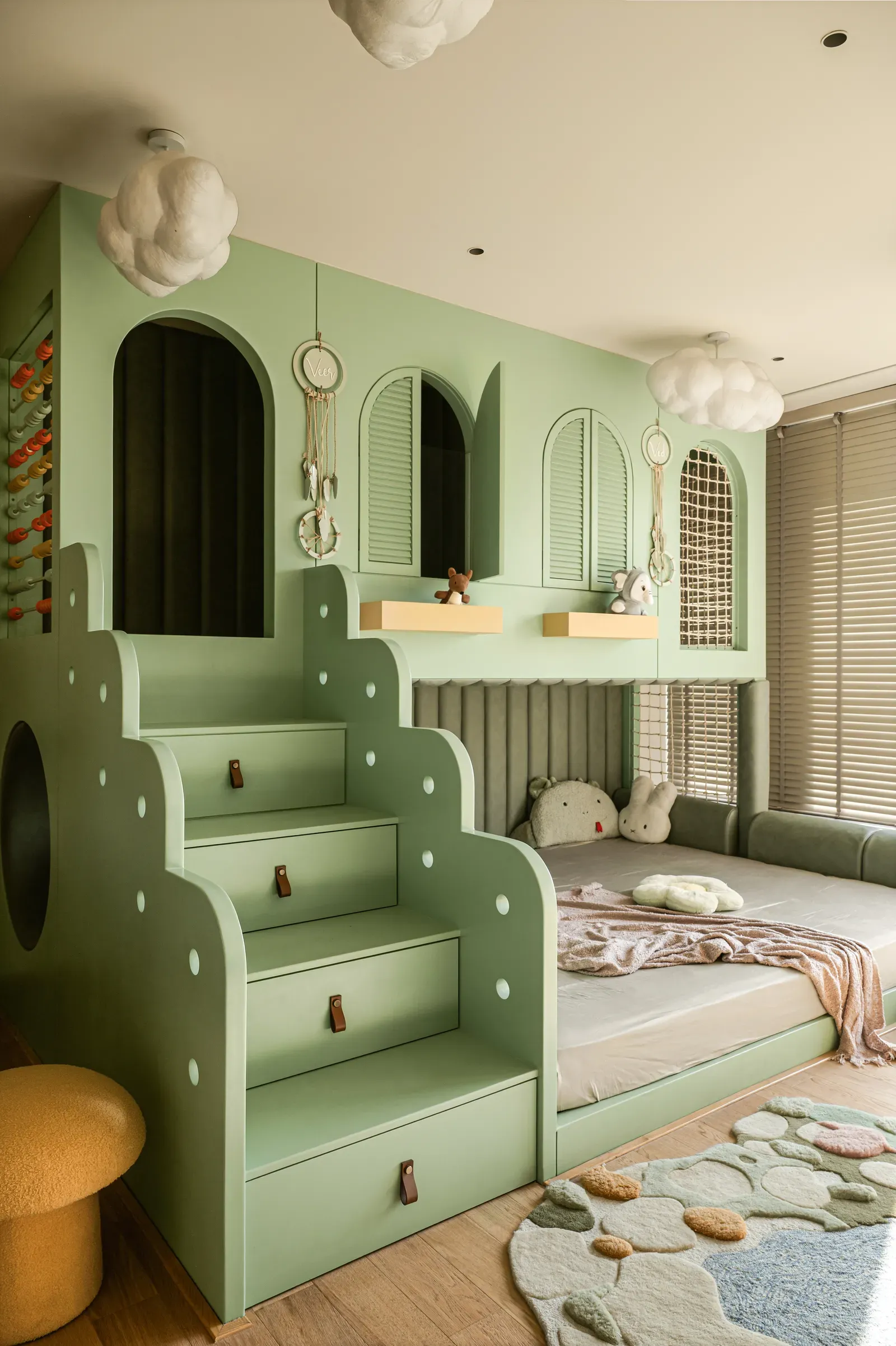
A child’s room is more than a place to sleep. It is where children play, read, imagine adventures, keep their favorite toys, and slowly develop their own sense of style. The right kids room decoration can make that space feel welcoming without turning it into a room that needs constant cleaning or expensive updates.
The best children’s rooms balance three things: comfort, practicality, and personality. A colorful wall can make the room cheerful, but useful storage keeps toys from taking over. A cute bed looks lovely, but a comfortable mattress and a clear walking area matter more.
Whether you are decorating a small bedroom, refreshing a shared room, or creating a nursery that will grow with your child, thoughtful choices can make a noticeable difference. Here are practical ideas to help you create a room your child will enjoy today and for years to come.
Why Kids Room Decoration Matters
Children experience their bedrooms differently from adults. Their room may be a bedroom, playroom, reading corner, and creative workspace all at once.
Good decoration helps each activity have its own place. A soft rug creates a comfortable play area, a small bookshelf makes reading accessible, and labeled baskets help children learn where their belongings go.
The goal is not to create a perfect showroom. A room should still feel lived in. Children need space to make a mess, display drawings, and change their interests. Flexible Kids Room Decoration allows the room to grow alongside them.
15+ Creative Kids Room Decoration Ideas
1. Choose a Color Theme That Feels Cheerful


7
Color is one of the easiest ways to change the mood of a child’s bedroom. You do not need to paint every wall a bright shade. A simple base color with a few colorful accents can create a balanced look.
Popular ideas include:
- Soft beige, white, or light gray with colorful accessories.
- Pastel pink, blue, green, or yellow for a gentle atmosphere.
- Nature-inspired shades such as sage green and warm cream.
- Rainbow accents through cushions, wall art, or bedding.
If your child has a favorite color, use it in items that are easy to replace. Curtains, bedsheets, and artwork can be changed more easily than painted walls or large furniture.
Practical tip: Choose two or three main colors instead of filling the room with every shade. This keeps the space visually organized.
2. Create a Fun Feature Wall


7
A feature wall gives the room a strong visual identity. It can be behind the bed, beside a reading corner, or on the wall where your child spends the most time.
Ideas include:
- Stars and planets for a space-loving child.
- Trees, clouds, or mountains for a nature theme.
- Dinosaurs, animals, or vehicles.
- Simple geometric shapes.
- A hand-painted rainbow or colorful arches.
Wallpaper is useful when you want a detailed design, while paint is often easier to update later. Removable wallpaper can be a practical choice for renters, but check the manufacturer’s instructions and test it before applying it to the entire wall.
Avoid making every wall busy. One attractive feature wall usually has more impact than several competing designs.
3. Pick Furniture That Grows With Your Child


6
Children grow quickly, so furniture should be chosen with future needs in mind. A bed, wardrobe, and desk that work for several years can save money and reduce the need for frequent room makeovers.
Consider:
- A sturdy bed with a suitable mattress.
- A desk that fits your child’s current height and activities.
- A wardrobe with accessible storage.
- Furniture with rounded edges where practical.
- A layout that leaves enough room for movement.
For younger children, low shelves can make books and toys easier to reach. For older children, a proper study desk and comfortable chair may become more useful than a large play table.
Safety matters: Secure tall furniture to the wall according to the manufacturer’s instructions. Keep furniture away from windows where climbing could create a fall risk.
4. Add a Cozy Reading Corner


7
A reading corner gives your child a dedicated place to enjoy books and quiet activities. It does not need a large budget or a separate room.
You can create one with:
- A small bookshelf.
- A floor cushion or comfortable chair.
- A soft washable rug.
- A small reading lamp.
- A few favorite books displayed at child height.
A low book ledge is especially helpful for younger children because they can see the covers and choose books independently.
Place the reading area near a window when possible, but avoid direct glare and excessive heat. Add artificial lighting for evening use.
5. Use Smart Storage for Toys and Clothes


7
Storage is one of the most important parts of practical kids room decoration. A beautiful room becomes difficult to use when toys, clothes, and school supplies have nowhere to go.
Try these storage ideas:
- Open baskets for frequently used toys.
- Labeled bins for blocks, cars, dolls, or art supplies.
- Under-bed storage for items used less often.
- Wall shelves for books and small decorations.
- A wardrobe with separate sections for daily clothes and special outfits.
Keep everyday items within your child’s reach. Store fragile, heavy, or potentially dangerous items somewhere appropriate.
A simple storage system is better than one with too many complicated compartments. Children are more likely to put things away when the process is easy.
6. Design a Creative Art and Craft Station


7
Children need space to draw, paint, build, and experiment. An art corner can encourage creative activities without requiring an entire room.
Set up a small table with:
- Washable crayons or age-appropriate art materials.
- Paper and drawing books.
- A container for pencils and markers.
- A washable surface or protective mat.
- A display area for finished artwork.
A roll of paper attached to a suitable drawing surface can be fun for children who enjoy large drawings. Keep art supplies suitable for the child’s age and supervise materials that may pose choking or other safety risks.
Instead of buying expensive decorative art, display your child’s own drawings. This makes the room feel personal and gives their creativity a visible place.
7. Add Soft Textiles for Comfort


7
Textiles can make a room feel warmer without changing the furniture or walls. They are also useful for introducing new colors and patterns.
Consider:
- Comfortable bedding.
- A washable area rug.
- Curtains that suit the room’s lighting needs.
- Decorative cushions appropriate for the child’s age.
- A soft blanket for reading or relaxing.
Choose materials that are easy to clean. Children may spill drinks, play on the floor, or bring outdoor dirt into the room.
For babies and young children, avoid loose bedding, pillows, and soft objects in the sleep space that could create a suffocation risk. Follow age-appropriate safe-sleep guidance.
8. Use Lighting to Create the Right Mood


7
Lighting affects how a room feels and how easily a child can use it. A single ceiling light may not be enough for reading, playing, and getting dressed.
A practical lighting plan includes:
- General lighting: A ceiling light for everyday use.
- Task lighting: A desk or reading lamp for focused activities.
- Gentle evening lighting: A suitable night-light if your child prefers one.
Use curtains or blinds to manage daylight and help the room feel comfortable during naps or bedtime.
Keep electrical cords out of reach, secure lamps properly, and choose fixtures appropriate for children’s rooms.
9. Create a Space-Themed Bedroom


8
A space theme can turn a bedroom into a small adventure. It works especially well for children who enjoy astronomy, rockets, or exploring imaginary worlds.
You could use:
- A deep blue or muted navy accent wall.
- Planet artwork.
- Star-patterned bedding.
- A rocket-shaped cushion.
- A small telescope-style decorative object, if age-appropriate.
You do not need to cover the room in galaxy wallpaper. A few carefully chosen details can communicate the theme while leaving room for future interests.
10. Try a Nature-Inspired Bedroom


8
Nature-inspired rooms often feel calm and easy to update. Green, cream, light wood, and soft brown can create a relaxed look.
Ideas include:
- Forest or mountain wall art.
- Wooden furniture.
- Animal illustrations.
- Leaf-patterned curtains or bedding.
- Natural-looking baskets.
Real plants are optional. If you use them, choose non-toxic varieties and keep them away from children who may pull leaves or spill soil. Artificial plants can provide a similar decorative effect without the same care requirements.
11. Make a Small Room Feel Bigger


7
Small bedrooms can still be comfortable and attractive. The key is to use the available space carefully.
Try:
- A bed with built-in drawers.
- Wall-mounted shelves.
- Furniture with more than one purpose.
- A compact desk.
- Light-colored walls.
- Clear walking paths.
Measure the room before buying furniture. A large bed or oversized wardrobe can make a small room feel crowded, even if the pieces look beautiful online.
For bunk beds and loft beds, follow the manufacturer’s age and safety recommendations. Top bunks are not suitable for very young children.
12. Decorate With Your Child’s Interests


8
The best kids room decoration reflects the child who lives there. A room designed around their interests can feel more special than one chosen only for its appearance.
Think about what your child enjoys:
- Animals and nature.
- Cars, trains, or construction.
- Sports.
- Music and art.
- Books and fantasy.
- Space and science.
Use posters, bedding, shelves, or small accessories to express those interests. These items can be replaced as preferences change, without requiring a complete redesign.
If siblings share a room, give each child a small personal area or display space. This helps both children feel that the room belongs to them.
13. Add a Play Area With Clear Boundaries


8
A play area helps children understand where activities happen. It also makes it easier to organize toys at the end of the day.
A simple play zone might include:
- A washable play mat.
- A toy basket.
- A small table.
- A play tent or soft play feature.
- A low shelf for favorite toys.
Leave enough space for children to move safely. Avoid placing large decorative items where they could fall or block doors.
The play area should be easy to change. As your child grows, it may become a homework corner, hobby area, or space for creative projects.
14. Personalize the Room With Wall Art


7
Wall art adds personality without taking up floor space. It can also be one of the easiest ways to refresh a room.
Popular options include:
- Framed illustrations.
- Alphabet artwork.
- Family photographs.
- Children’s own drawings.
- Inspirational or educational posters.
- Personalized name signs.
Hang wall decorations securely and avoid heavy objects above a child’s bed. If using framed art, select suitable materials and mounting hardware.
A small collection of coordinated prints often looks more intentional than filling every wall.
15. Choose a Comfortable Study Corner


7
As children grow, their room often needs to support schoolwork. A study corner can make homework and reading easier.
A useful setup includes:
- A desk with enough surface space.
- A comfortable chair.
- Good lighting.
- Storage for school supplies.
- A place to keep books and notebooks organized.
Avoid placing the desk where glare makes reading difficult. Keep the area free from unnecessary distractions if your child finds it hard to focus.
For younger children, a small activity table may be more appropriate than a formal study desk.
16. Use a Timeless Base With Changeable Accessories


7
A timeless room does not have to be plain. It simply uses a base that can adapt as your child grows.
For example:
- Neutral wall color.
- Simple furniture.
- Colorful bedding.
- Replaceable wall art.
- A rug that suits the room.
- Storage that works for different ages.
This approach can reduce the cost of future updates. Instead of replacing everything when your child changes interests, you can switch a few visible accessories.
How to Plan Kids Room Decoration Step by Step
Decorating becomes easier when you make decisions in the right order.
Step 1: Understand the Room
Measure the bedroom and note the locations of doors, windows, electrical outlets, and built-in storage.
Think about how your child uses the room. Do they need more play space, better storage, a desk, or a calmer bedtime environment?
Step 2: Set a Realistic Budget
Divide your budget into essentials and decoration.
Essentials may include:
- Bed and mattress.
- Storage.
- Curtains or window coverings.
- Lighting.
- Desk and chair, if needed.
Decorative items may include:
- Wall art.
- Rugs.
- Cushions.
- Themed accessories.
- Decorative shelves.
If money is limited, focus on safety, sleep comfort, and storage first. A beautiful room can be created gradually.
Step 3: Choose the Main Color Palette
Pick a base color and one or two accent colors. Consider the room’s natural light and existing furniture.
A small room may benefit from lighter colors, while a larger room can support stronger accent shades. There is no single correct color for every child.
Step 4: Arrange the Furniture
Place the bed first, then the wardrobe and desk. Make sure there is enough space to walk between furniture pieces.
Keep frequently used items accessible. Avoid blocking windows, doors, or heating and cooling equipment.
Step 5: Add Storage Before Decoration
Organize toys, clothes, books, and school supplies. This prevents decorative items from competing with clutter.
Choose storage that your child can actually use. If a system is too complicated, it will probably not last.
Step 6: Add Decorative Details
Once the room is functional, add wall art, bedding, rugs, and accessories.
Keep the child’s personality in mind. Their favorite artwork or a handmade decoration can be more meaningful than expensive decor.
Step 7: Review the Room for Safety
Check that:
- Tall furniture is secured properly.
- Walking paths are clear.
- Cords are out of reach.
- Windows and furniture are arranged safely.
- Small objects are kept away from children who may swallow them.
- Sleep arrangements are age-appropriate.
A room should look good, but it should also be safe and easy to use.
Kids Room Decoration Ideas on a Budget
You do not need a large budget to create an attractive children’s bedroom. Small improvements can make a room feel fresh.
Refresh the Walls
A new paint color can change the room’s appearance. If painting is not possible, use removable wall decorations or framed artwork.
Reuse Existing Furniture
A clean, well-maintained dresser or shelf may work perfectly in a child’s room. You can update its appearance with new handles or a suitable finish.
Do not repaint furniture without checking that the product is appropriate for the material and safe for the intended use.
Make DIY Decorations
Children’s artwork, paper garlands, handmade bookmarks, and simple framed drawings can add personality.
Use age-appropriate materials and supervise scissors, glue, and other craft tools.
Shop for Storage First
A few useful baskets can make a bigger difference than several decorative objects. Look for storage that fits your room and can be used for more than one purpose.
Change Bedding and Accessories
If the room already has a suitable bed and furniture, changing the bedding, curtains, or wall art can create a new look without a full renovation.
Common Mistakes to Avoid
1. Choosing Style Over Safety
A decorative item is not worth using if it creates a fall, choking, or entanglement risk. Check furniture, cords, wall decor, and sleeping arrangements carefully.
2. Buying Too Much Furniture
A room needs open space. Overcrowding makes it difficult for children to play, move, and clean up.
3. Using Too Many Themes
A room with dinosaurs, rainbows, cars, stars, and multiple unrelated patterns may feel chaotic. Choose a main theme and use smaller accents to support it.
4. Ignoring Storage
Without a storage plan, even a well-decorated room can become difficult to manage.
5. Designing Only for the Present
A room that works for a toddler may not suit a school-age child. Choose furniture and decoration that can adapt where practical.
6. Using Hard-to-Clean Materials Everywhere
Children’s rooms experience spills and everyday mess. Washable rugs, practical fabrics, and easy-to-clean surfaces are often better choices.
7. Copying a Photo Without Considering the Room
An idea that looks great in a large, bright bedroom may not work in a small room. Consider your room’s dimensions, lighting, and the child’s needs before copying a design.
Expert Tips for a Better Children’s Bedroom
Keep the floor useful. Children need room to play, so avoid filling every corner with furniture.
Use decoration that can change. Bedding, art, and accessories are easier to update than built-in features.
Make storage easy to understand. A few clear categories work better than an overly complicated system.
Let your child participate. Older children can help choose colors, artwork, or where their books should go. This makes the room feel more personal.
Think about lighting at different times of day. A room may look lovely in daylight but need better lighting for evening reading.
Keep the room comfortable. Choose suitable bedding, ventilation, and window coverings for the climate and room conditions.
Do not treat trends as rules. A room does not need to follow the latest design trend. A practical space that suits your child will usually be more useful over time.
Frequently Asked Questions About Kids Room Decoration
1. What is the best color for kids room decoration?
There is no single best color. Soft neutrals, pastels, and nature-inspired shades are versatile, while brighter colors can add energy through bedding, art, and accessories. Choose colors that suit your child’s preferences and the room’s lighting.
2. How can I decorate a small kids room?
Use space-saving furniture, wall shelves, under-bed storage, and a simple color palette. Keep the walking area clear and choose furniture that fits the room’s measurements.
3. What should I prioritize when decorating a child’s bedroom?
Prioritize a safe, comfortable bed, suitable lighting, practical storage, and enough space to move. Decorative themes can be added afterward.
4. How can I make kids room decoration affordable?
Reuse suitable furniture, paint the walls, create DIY artwork, and update bedding or accessories. Start with the most useful improvements rather than buying everything at once.
5. How do I decorate a kids room that can grow with my child?
Use simple furniture, a flexible color scheme, and changeable decorations. Choose storage that works for different ages and avoid making every feature dependent on one theme.
6. What are good storage ideas for a kids bedroom?
Open baskets, labeled bins, low bookshelves, drawers under the bed, and wardrobe organizers are useful options. Choose storage based on your child’s age and what they use most often.
7. How can I make a shared kids room feel personal for both children?
Give each child their own bedding, display area, or storage section. Use a shared color palette while allowing individual interests to appear in smaller details.
8. Is themed decoration better than a neutral kids room?
Neither is automatically better. A themed room can be exciting, while a neutral room is easier to update. The best choice depends on your child’s interests, budget, and how often you want to change the decor.
Final Thoughts
The best kids room decoration combines a child’s personality with practical everyday needs. A colorful wall, cozy reading corner, useful storage, and comfortable furniture can create a bedroom that feels special without becoming difficult to maintain.
Start with the essentials: safety, sleep comfort, storage, and enough space to move. Then add colors, artwork, and decorative details that reflect your child’s interests.
You do not need to finish everything in one weekend. A room can evolve as your child grows, and some of the most meaningful decorations may be the drawings, books, and little treasures they choose themselves.