

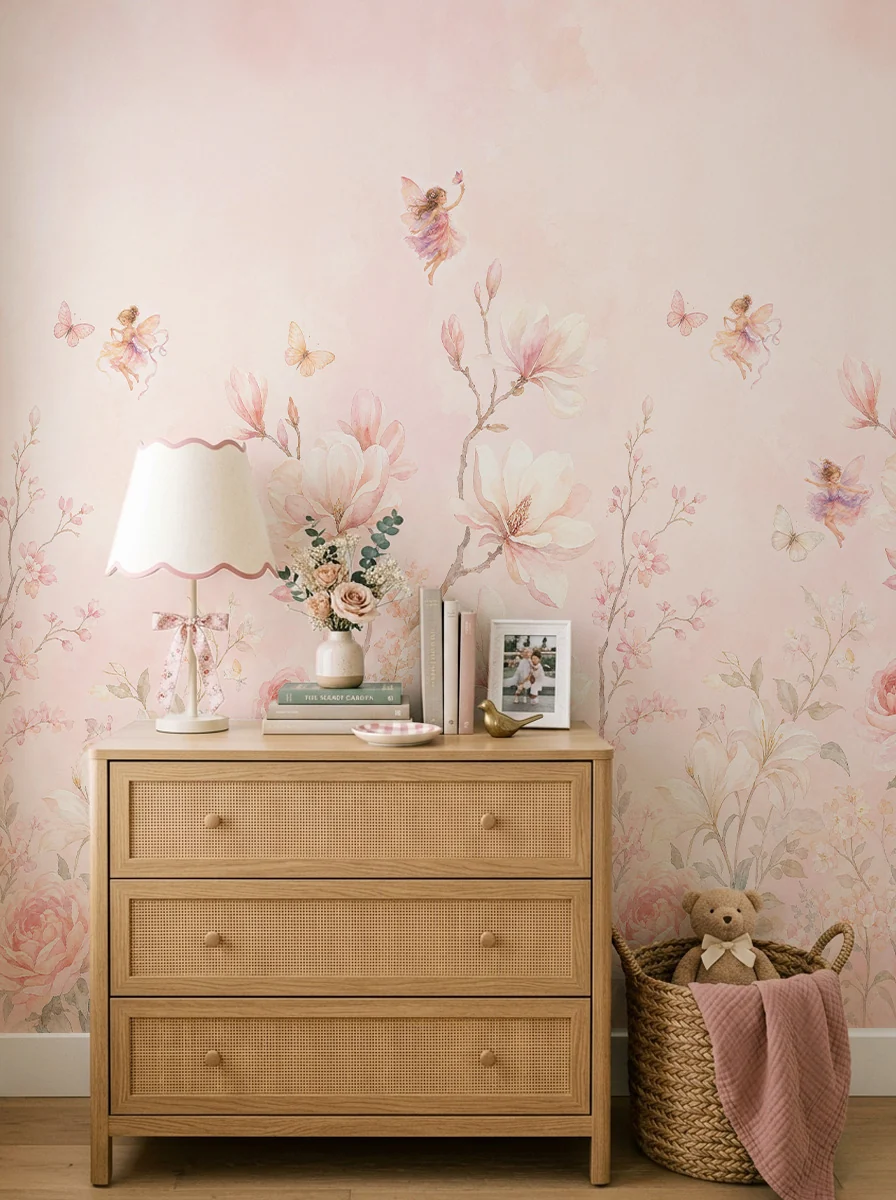
A pink wallpaper can completely change the mood of a room without requiring a major renovation. From soft blush and dusty rose to bold fuchsia and playful patterns, pink works across many interior styles. It can make a bedroom feel calmer, give a nursery a gentle character, or add personality to a living room or home office.
The key is choosing the right shade, pattern, scale, and placement for your space. Pink does not have to mean overly bright or traditionally feminine. When paired with the right colors and materials, it can look sophisticated, modern, warm, or even dramatic.
This guide explains how to choose pink wallpaper, where to use it, which colors work well with it, and what mistakes to avoid.
What Is Pink Wallpaper?
Pink wallpaper is a wall covering featuring pink as its primary color or a significant part of its design. It is available in many styles, including solid colors, floral prints, geometric patterns, textured finishes, murals, and abstract designs.
The shade makes a major difference. Pale pink creates a light and airy appearance, while deeper shades such as rose, raspberry, or magenta create stronger visual impact.
Wallpaper can also vary in finish. Matte designs tend to look subtle and contemporary, while textured or metallic details can create a more decorative effect.
Why Choose Pink Wallpaper?
Pink is surprisingly versatile in interior design. The right shade can work as a neutral-like background or become the main feature of a room.
It Adds Warmth
Many pink shades contain warm undertones that make a room feel welcoming. Blush, dusty pink, and muted rose can soften spaces that otherwise feel too cold.
It Creates a Feature Wall
You do not necessarily need to wallpaper every wall. Installing a patterned design behind a bed, sofa, desk, or dining area can create a focal point while keeping the rest of the room simple.
It Works With Different Styles
Pink wallpaper can suit:
- Modern interiors
- Minimalist rooms
- Traditional homes
- Vintage-inspired spaces
- Scandinavian-style interiors
- Children’s bedrooms
- Glamorous interiors
- Eclectic spaces
The pattern and surrounding furniture determine how the color is perceived.
Popular Pink Wallpaper Shades
Choosing a shade is often more important than choosing the pattern.
Blush Pink
Blush is soft, understated, and easy to combine with white, cream, beige, light wood, and gray. It is particularly useful when you want pink without making the room feel strongly colored.
Dusty Pink
Dusty pink has a muted, slightly earthy appearance. It works well with natural materials such as wood, linen, rattan, and stone.
Rose Pink
Rose is richer and more noticeable than blush. It can create an elegant backdrop in bedrooms, dining rooms, or sitting areas.
Soft Pastel Pink
Pastel pink is bright and gentle. It is often suitable for nurseries, children’s rooms, and spaces where you want a cheerful atmosphere.
Hot Pink
Hot pink is much more energetic. Instead of covering an entire room, consider using it for a feature wall or a small decorative area.
Mauve Pink
Mauve sits between pink, purple, and gray. Its subdued appearance can give a room a more mature and sophisticated feel.
Pink Wallpaper Ideas for Different Rooms
Bedroom
A bedroom is one of the easiest places to use pink wallpaper. A soft floral or textured design behind the bed can act as a natural headboard backdrop.
For a calm appearance, combine blush or dusty pink with cream bedding, light wood furniture, and warm lighting.
If you prefer something more dramatic, choose a darker rose pattern and balance it with simple furniture.
Living Room
Pink wallpaper can make a living room feel more distinctive without requiring brightly colored furniture.
For a contemporary room, consider a subtle geometric pattern. For a traditional space, floral or botanical wallpaper may work better.
Keep large furniture relatively simple if the wallpaper has a busy design.
Nursery
Soft pink remains a popular nursery color, but modern designs can move beyond traditional solid pink walls.
Consider small-scale botanical patterns, clouds, stars, delicate animals, or understated geometric prints. Choose a design that can remain appealing as the child grows.
Home Office
A muted pink can work surprisingly well in a home office. Dusty rose, mauve, and blush shades can add personality while remaining visually comfortable.
Pair pink walls with white shelving, natural wood, black accents, or neutral textiles.
Bathroom
Pink wallpaper can bring character to a powder room or bathroom. However, moisture needs to be considered carefully.
Choose wallpaper specifically suitable for the conditions of the room and follow the manufacturer’s installation recommendations. Good ventilation is also important.
How to Match Pink Wallpaper With Other Colors
Pink becomes much easier to decorate around when you consider the undertones of the shade.
Pink and White
White creates a clean, bright combination. This pairing works especially well with pale and medium pinks.
Pink and Beige
Beige makes pink feel warmer and more grounded. This is a good option for bedrooms and relaxed living spaces.
Pink and Gray
Gray can balance pink’s warmth. Light gray works particularly well with blush, while darker gray can create stronger contrast.
Pink and Green
Pink and green are natural companions. Sage green gives pink a calm, botanical feel, while deeper greens create a richer contrast.
Pink and Navy
Navy blue gives pink a sophisticated edge. This combination works particularly well in bedrooms, offices, and traditional interiors.
Pink and Black
Black creates a dramatic contrast with pink. Use it through lighting, furniture, picture frames, or small accessories rather than overwhelming the room.
Pattern Choices That Work Well
The pattern should reflect both the room and the amount of visual activity you want.
Floral
Floral wallpaper is a classic choice. Small flowers feel delicate, while large botanical prints create a stronger statement.
Geometric
Geometric patterns can make pink feel more contemporary. Lines, arches, grids, and abstract shapes work well in modern interiors.
Textured
Textured wallpaper adds interest without relying on a complicated print. It can be a good choice when you want color but prefer understated walls.
Abstract
Abstract patterns allow pink to feel artistic rather than traditional. Look for designs combining pink with neutral tones such as cream, gray, brown, or black.
Murals
A pink mural can become the main feature of a room. This approach works best when the surrounding décor is relatively restrained.
Should You Wallpaper Every Wall?
Not necessarily.
A common mistake is assuming that a strong wallpaper must cover the entire room. In many spaces, one feature wall produces a cleaner result.
Full-room wallpaper can work when:
- The pattern is relatively subtle.
- The room has enough natural or artificial light.
- Furniture is not overly busy.
- The design complements the room’s architecture.
For bold patterns, a single accent wall is often easier to manage.
How to Choose the Right Wallpaper Scale
Pattern scale matters because a design can look very different on a small sample compared with an entire wall.
Small patterns generally feel more subtle and repetitive. Large patterns create more drama and may require more visual space.
Before buying, order a sample if possible. Place it against the actual wall and view it during the day and evening. Lighting can significantly change how pink appears.
Common Pink Wallpaper Mistakes
Choosing Based Only on a Small Screen Image
Colors displayed on phones and monitors are not always accurate. Always check a physical sample when possible.
Ignoring Undertones
Two pink wallpapers can look completely different because one has warm peach undertones while another has cool purple or gray undertones.
Using Too Many Competing Patterns
If the wallpaper has a strong pattern, avoid filling the room with equally busy curtains, rugs, cushions, and artwork.
Forgetting Natural Light
A pink that looks soft in a bright room may appear much deeper in a darker space.
Buying Without Measuring
Wallpaper requirements depend on wall dimensions, pattern repeat, doors, windows, and installation method. Measure carefully and account for waste.
Expert Tips for a Better Result
Test before committing. A sample is inexpensive compared with replacing wallpaper throughout a room.
Consider the ceiling and trim. White, cream, or matching trim can produce different effects.
Use texture to add depth. If you want subtle walls, textured pink wallpaper can be more interesting than a completely flat finish.
Balance strong colors. If the wallpaper is vibrant, introduce neutral furniture and accessories.
Think about longevity. In frequently used rooms, choose a design you are likely to enjoy for several years rather than selecting a trend purely because it is popular today.
Check installation requirements. Some wallpapers are easier to install than others. If you are doing the project yourself, understand whether the product is peel-and-stick, paste-the-wall, or requires another installation method.
Frequently Asked Questions
Is pink wallpaper still stylish?
Yes. Pink can work in both traditional and contemporary interiors. The key is choosing a shade and pattern that fit the overall design rather than relying on bright pink alone.
What color goes best with pink wallpaper?
White, beige, gray, sage green, navy, and natural wood are all useful choices. The best combination depends on the specific pink’s undertone.
Is pink wallpaper good for a bedroom?
Yes. Soft blush, dusty pink, mauve, and muted rose can create a comfortable bedroom backdrop. Stronger shades are better used selectively if you want a calmer environment.
Can pink wallpaper make a small room look bigger?
Light pink wallpaper with a subtle pattern can help a small room feel brighter and more open, particularly when paired with good lighting and light-colored furniture. Dark or very busy patterns can have the opposite visual effect.
Is pink wallpaper suitable for a living room?
Absolutely. A subtle pink can warm up a neutral living room, while a bold design can create an attractive feature wall.
How do I clean pink wallpaper?
Cleaning depends on the wallpaper material and manufacturer’s instructions. Never assume that every wallpaper can be washed. Check the product specifications before using water or cleaning products.
Should I use pink wallpaper on one wall or all four?
For bold patterns, one feature wall is usually easier to balance. Subtle textures and small-scale patterns can work well across all walls.
How do I choose the right pink wallpaper?
Start with the room’s lighting, furniture, existing colors, and desired mood. Then compare samples and consider the wallpaper’s pattern scale, undertone, texture, and installation requirements.
Final Thoughts
The best pink wallpaper is not necessarily the brightest or most decorative option. It is the one that fits the room’s lighting, furniture, architecture, and overall mood.
Soft blush can create a quiet backdrop, dusty rose can add warmth, and deeper pinks can provide a dramatic focal point. Patterns also give you plenty of room to experiment, from delicate florals to modern geometric designs.
Before making a final decision, test a sample in the actual room, examine it under different lighting, and consider how the wallpaper will interact with everything already in the space. A little planning can turn pink walls from a simple decorating choice into a cohesive part of the room’s design.