

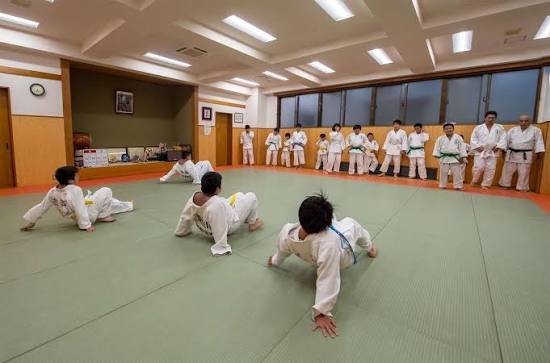
The word dojo is closely associated with martial arts, but its meaning goes beyond simply being a place where people train. A dojo is traditionally a dedicated space for learning, practicing, and developing discipline through martial arts and other Japanese traditions.
For someone new to karate, judo, aikido, or another Japanese martial art, understanding what a dojo represents can make the first training session feel much less unfamiliar. The environment may have rules about etiquette, clothing, greetings, training behavior, and respect for instructors and fellow students.
This guide explains the meaning of dojo, its origins, what normally happens inside one, and what beginners should look for when choosing a training school.
What Is a Dojo?
A dojo is a place dedicated to training, particularly in Japanese martial arts. The Japanese word is commonly written as 道場, combining dō (way or path) and jō (place).
The term can therefore be understood broadly as a place for studying or practicing a way.
In modern use, dojo most often refers to a martial arts training hall. You might find a dojo dedicated to karate, judo, aikido, kendo, or another Japanese discipline.
However, the traditional concept is not limited to physical exercise. Training may involve discipline, concentration, etiquette, patience, and continuous improvement.
Dojo vs. Gym
A gym and a dojo can both involve physical training, but their purpose and culture are often different.
A gym generally focuses on fitness, strength, conditioning, or recreational exercise. A dojo typically combines physical training with instruction in a particular martial art and its traditions.
That doesn’t mean every dojo is highly formal or every gym is casual. Individual schools have their own cultures, teaching methods, and expectations.
The History and Meaning Behind the Dojo
The idea of a dedicated training space developed alongside Japanese martial and cultural traditions.
Historically, dōjō could refer to a place for Buddhist practice before the word became strongly associated with martial arts. Over time, the term became widely used for places where martial arts were taught and practiced.
The word’s deeper meaning helps explain why many traditional dojos place considerable emphasis on conduct.
Training isn’t only about learning how to punch, kick, throw, block, or use a particular technique. Students are often expected to develop control and awareness as they progress.
This philosophy varies significantly between schools, so it is useful to treat traditional descriptions as general principles rather than rules that apply identically everywhere.
What Happens Inside a Dojo?
A typical martial arts class follows a structured routine, although the exact format depends on the discipline and instructor.
A beginner might experience:
- Entering and preparing for class – Students change into appropriate training clothing and prepare the practice area.
- Opening etiquette – Some schools begin with bows, meditation, or other formal procedures.
- Warm-up – Stretching and movement prepare the body for training.
- Technique instruction – The instructor demonstrates techniques for students to practice.
- Partner drills – Students may work with partners to practice controlled movements.
- Conditioning – Some classes include strength, flexibility, or endurance exercises.
- Sparring or live practice – Depending on the martial art and student’s level, controlled sparring may be included.
- Closing procedures – Classes may finish with a formal bow, meditation, or acknowledgment of the instructor and students.
Not every dojo follows this exact sequence.
Why Dojo Etiquette Matters
Etiquette is one of the first things a new student may notice.
Rules can include bowing when entering or leaving the training area, listening while the instructor is speaking, keeping equipment organized, arriving on time, and treating training partners respectfully.
These practices aren’t simply about appearing formal. They can help create an environment where students understand boundaries and take training seriously.
For example, a student practicing a throwing technique needs to trust that their partner will perform the exercise safely. Respectful behavior becomes part of that safety culture.
Different Types of Dojos
There isn’t one universal type of dojo. Different martial arts produce very different training experiences.
Karate Dojo
Karate schools generally teach striking techniques, defensive movements, forms or kata, and controlled partner exercises.
Depending on the style, students may also participate in competition.
Judo Dojo
Judo emphasizes throws, grappling, pins, and related techniques. Because students frequently interact physically with training partners, learning how to fall safely is an important part of training.
Aikido Dojo
Aikido focuses heavily on movement, balance, timing, and controlling an opponent’s movement. Training methods can differ considerably between organizations.
Kendo Dojo
Kendo is a Japanese martial art involving bamboo swords called shinai and protective armor. Its training environment and equipment are quite different from those found in a typical karate school.
How to Choose a Dojo
Choosing a training school deserves more thought than simply picking the closest location.
Start by identifying what you actually want from martial arts. You might be interested in fitness, self-defense, competition, traditional practice, discipline, social activity, or simply learning a new skill.
Then consider several practical factors.
Watch a Class First
If the school allows visitors, watch a class before enrolling.
Look at how instructors communicate with students. Pay attention to whether beginners receive appropriate instruction and whether advanced students treat less-experienced members respectfully.
A good training environment should feel organized and safe rather than intimidating.
Ask About Beginner Classes
Some schools mix beginners and experienced students into the same session. Others offer dedicated introductory classes.
Ask how new students are introduced to basic movements and whether there is a trial class.
Check the Instructor’s Background
Ask about the instructor’s training history, qualifications, affiliations, and teaching experience.
Titles and belt ranks can vary between martial arts organizations, so they shouldn’t be considered meaningful without understanding the system behind them.
Understand the Costs
Ask about the full cost before signing up.
Potential expenses can include:
- Monthly membership
- Registration fees
- Uniform or protective equipment
- Grading or examination fees
- Competition fees
- Seminars or special training sessions
A clear fee structure makes it easier to compare schools.
Common Mistakes Beginners Make
Starting martial arts can be exciting, but beginners sometimes approach training with unrealistic expectations.
Trying to Learn Everything Immediately
Martial arts involve many small movements and concepts. Trying to memorize everything during the first few sessions can become overwhelming.
Focus on the fundamentals your instructor gives you.
Ignoring Safety
Training should challenge you, but unnecessary injuries aren’t a sign of effective training.
Follow instructions, use appropriate protective equipment when required, and communicate with your training partner.
Comparing Yourself With Advanced Students
Someone who has trained for several years will naturally move differently from someone attending their first class.
Your early progress should be measured against your own previous ability.
Treating the Dojo Like a Regular Fitness Class
Physical fitness is often part of martial arts, but technical practice requires attention and patience.
Simply working as hard as possible isn’t enough. Correct technique matters.
Tips for Your First Dojo Visit
Your first visit doesn’t need to be complicated.
Wear suitable athletic clothing if you’re attending a trial session and don’t yet own a uniform. Arrive early enough to introduce yourself and ask about the school’s procedures.
Listen carefully to instructions and don’t worry if you don’t understand every piece of etiquette immediately.
It’s perfectly normal for a new student to feel awkward at first.
The instructor should be able to explain what you need to know without expecting you to already understand the school’s traditions.
Is a Dojo Only for Experienced Martial Artists?
No. Many dojos accept complete beginners.
You don’t generally need to be strong, flexible, or experienced before starting. Beginner training is designed to teach fundamental movements progressively.
Age requirements, fitness expectations, and class structures vary, however, so check with the individual school before attending.
Dojo Training and Personal Development
One reason people continue martial arts for years is that progress isn’t limited to physical technique.
Regular practice can require concentration, repetition, patience, and the ability to accept correction.
A technique that feels difficult during the first few weeks may eventually become automatic through consistent practice.
That process is part of what makes the dojo concept different from simply attending a workout session. The emphasis is often on learning a skill over time rather than completing a single exercise.
What a Good Dojo Environment Looks Like
There is no single formula for the perfect dojo, but several qualities are worth looking for.
A healthy training environment should have clear safety expectations, competent instruction, respectful student behavior, and an atmosphere appropriate for the martial art being taught.
The instructor should be willing to explain techniques and answer reasonable questions.
Be cautious of any school that encourages reckless behavior, treats injuries as proof of toughness, or makes unrealistic promises about what martial arts can accomplish.
A serious martial arts education should balance challenge with responsible instruction.
Frequently Asked Questions About Dojo
What does dojo mean?
Dojo means a place for studying or practicing a particular path or discipline. Today, it most commonly refers to a Japanese martial arts training hall.
Is a dojo the same as a martial arts school?
Usually, a dojo is the physical training space associated with a martial arts school or organization. However, terminology varies between different martial arts and organizations.
Can beginners join a dojo?
Yes. Many dojos offer beginner classes or accept students with no previous martial arts experience.
What should I wear to a dojo?
For a first trial session, comfortable athletic clothing is usually practical unless the school gives different instructions. Regular students commonly wear the uniform required by their martial art.
Do you have to bow in a dojo?
Many traditional Japanese martial arts schools use bowing as part of their etiquette. The exact procedure varies, so new students should follow the instructor’s guidance.
How often should you train at a dojo?
That depends on your goals, schedule, fitness, and the school’s program. Consistency is generally more useful than trying to train excessively at the beginning.
Is a dojo only for children?
No. Many dojos offer separate or mixed programs for children, teenagers, and adults.
Can a dojo teach self-defense?
Some martial arts include practical self-defense applications, while others focus more heavily on tradition, sport, forms, or competitive rules. Ask the instructor what the school’s curriculum emphasizes.
Final Thoughts
A dojo is more than a room where martial arts techniques are practiced. Traditionally, it represents a dedicated place for learning, discipline, repetition, and personal development.
The experience can differ dramatically depending on the martial art, instructor, organization, and students. If you’re considering joining one, visit the school, observe a class, ask questions about training and costs, and make sure the environment matches what you want to learn.
The right dojo should give you room to improve gradually while maintaining a clear focus on technique, safety, and respectful training.