
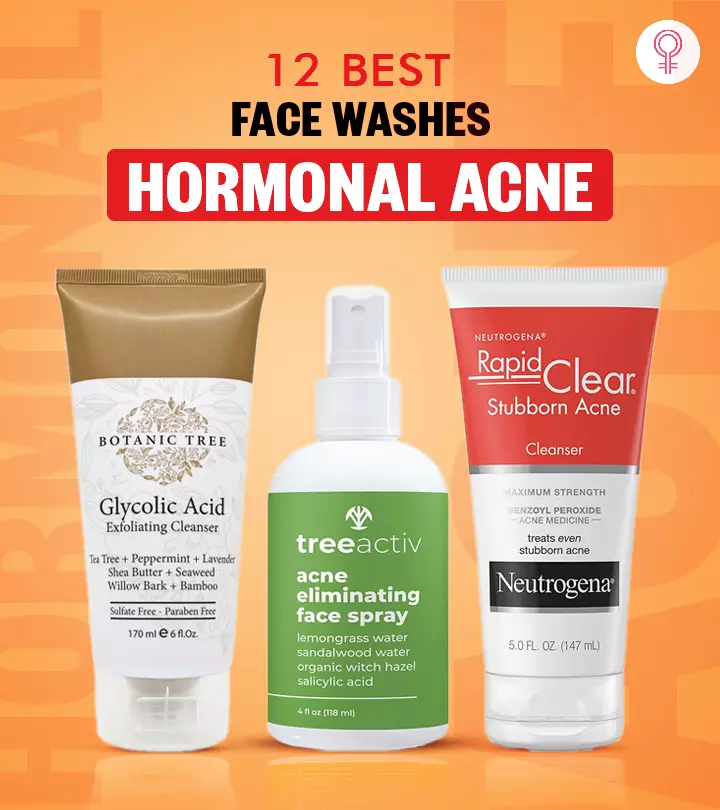
Hormonal acne can be frustrating because it often keeps returning even when you have a consistent skincare routine. Breakouts may appear around the chin, jawline, and lower cheeks, and some people notice that they become worse around their menstrual cycle.
Choosing the Best Facewash for Hormonal Acne starts with understanding what a cleanser can and cannot do. A facewash can help remove excess oil, unclog pores, and deliver acne-fighting ingredients to the skin. However, if hormones are a major trigger, a cleanser alone may not completely control the problem.
The good news is that you do not need a complicated 10-step routine. A gentle cleanser, an appropriate acne-fighting ingredient, moisturizer, and sunscreen can provide a much better foundation than constantly switching between harsh products.
What Is Hormonal Acne?
Best Facewash for Hormonal Acne is acne influenced by hormonal changes, particularly changes involving androgen hormones that can increase oil production. It commonly appears as inflamed pimples or deeper bumps around the lower face.
A pattern of breakouts around the chin and jawline, especially when they repeatedly appear around the same point in the menstrual cycle, can be a clue that hormones are contributing.
However, not every breakout in this area is necessarily hormonal. Hair products, cosmetics, friction, stress, medications, and other factors can also contribute to adult acne.
What Should You Look for in a Facewash for Hormonal Acne?
The most useful approach is to look at the active ingredients, rather than choosing a product simply because the packaging says “acne fighting.”
1. Salicylic Acid
Salicylic acid is one of the most common ingredients in acne cleansers. It helps exfoliate the skin and unclog pores, making it particularly useful when blackheads, whiteheads, and clogged pores are part of the problem.
It can be a practical choice for people with oily or combination skin.
However, more is not necessarily better. Frequent use can leave some skin types dry or irritated, particularly when combined with several other acne treatments.
2. Benzoyl Peroxide
Benzoyl peroxide works differently from salicylic acid. It reduces acne-causing bacteria and is widely used in both prescription and non-prescription acne treatments. It is also available in wash formulations.
A benzoyl peroxide cleanser may be useful when inflammatory pimples are a major concern.
It can also be drying, so sensitive skin may need a slower introduction. Benzoyl peroxide can bleach fabrics, so keep that in mind when using it around towels, clothing, and bedding.
3. A Gentle, Non-Comedogenic Formula
An acne cleanser does not have to feel extremely strong to work.
Dermatologists recommend gentle, non-abrasive cleansing rather than aggressive scrubbing. Products labeled non-comedogenic or “won’t clog pores” can also be useful when choosing skincare for acne-prone skin.
If your face feels painfully tight after washing, the cleanser may be too harsh for your skin.
Which Type of Cleanser Should You Choose?
There isn’t one facewash that works for everyone with Best Facewash for Hormonal Acne. Your skin type and the type of breakout you experience matter.
| Skin or acne concern | Ingredient/formula to consider |
|---|---|
| Oily skin and clogged pores | Salicylic acid cleanser |
| Blackheads and whiteheads | Salicylic acid |
| Inflamed pimples | Benzoyl peroxide wash |
| Sensitive or easily irritated skin | Gentle, non-abrasive cleanser |
| Dry skin with acne | Gentle cleanser + acne treatment used separately |
| Frequent irritation | Simplify your routine and reduce harsh actives |
These ingredients address different aspects of acne, so selecting between them depends on what your skin actually needs.
How to Use an Acne Facewash Correctly
Even a suitable cleanser can cause problems if you use it too aggressively.
Step 1: Wet Your Face With Lukewarm Water
Avoid very hot water. It can leave the skin feeling dry and uncomfortable.
Step 2: Apply a Small Amount of Cleanser
Use your fingertips rather than a rough washcloth or facial scrub. Gently massage the cleanser over your skin.
Dermatologists specifically advise against scrubbing acne-prone skin because irritation can make breakouts worse.
Step 3: Rinse Thoroughly
Remove the cleanser with lukewarm water and gently pat your face dry with a clean towel.
Step 4: Moisturize
This step is easy to skip when your skin is oily, but drying your skin excessively is not a good acne strategy.
A lightweight, non-comedogenic moisturizer can help support the skin barrier while you use acne treatments.
Step 5: Use Sunscreen During the Day
Choose a broad-spectrum, non-comedogenic sunscreen with SPF 30 or higher. This is particularly useful when your routine contains ingredients that may make your skin more sensitive or irritated.
How Often Should You Wash Your Face?
For many people with acne, washing twice a day—morning and evening—is reasonable. You should also cleanse after activities that leave you sweaty.
But washing repeatedly throughout the day can irritate the skin and potentially worsen breakouts.
If your skin is very dry or sensitive, you may need a gentler approach rather than increasing cleansing frequency.
Common Mistakes That Can Make Hormonal Acne Worse
Using Too Many Acne Ingredients
It can be tempting to combine salicylic acid, benzoyl peroxide, exfoliating acids, scrubs, masks, and retinoids all at once.
That approach can leave your skin irritated without necessarily giving you better results. Dermatologists recommend keeping the rest of your skincare routine gentle when using acne treatments.
Scrubbing Harder
A rough scrub doesn’t remove hormonal acne at its source. Physical irritation can actually aggravate acne-prone skin.
Use your fingertips and gentle movements instead.
Switching Products Every Few Days
Acne treatments need time.
The American Academy of Dermatology notes that people may need 6–8 weeks to see improvement from an acne treatment, with more complete clearing often taking several months.
Constantly replacing products makes it difficult to determine what is helping—and can irritate your skin.
Drying Out Your Face
The goal isn’t to make your skin feel “squeaky clean.” Excessive dryness can lead to irritation and make your routine harder to tolerate.
A balanced routine is usually more practical than trying to remove every trace of oil.
Can a Facewash Actually Treat Hormonal Acne?
It can help, but there is an important distinction between managing acne on the skin and treating the hormonal factors contributing to recurring acne.
Ingredients such as salicylic acid and benzoyl peroxide can address acne-related processes in the skin. But persistent hormonal acne may require a broader treatment plan.
For example, dermatologists may use topical retinoids, benzoyl peroxide, azelaic acid, or other treatments depending on the type and severity of acne. For some women with stubborn hormonal acne, prescription options such as spironolactone or certain combined oral contraceptives may be considered by a healthcare professional.
That doesn’t mean everyone with chin or jawline acne needs prescription medication. It means that recurring hormonal acne shouldn’t be viewed as a cleanser problem alone.
What About Acne During Pregnancy?
Pregnancy changes which acne ingredients may be appropriate.
The American Academy of Dermatology advises avoiding certain acne medications during pregnancy and recommends discussing skincare ingredients with a healthcare professional. For example, high-dose salicylic acid and benzoyl peroxide may need special consideration, while some acne medications, including retinoids and spironolactone, should be avoided.
If you are pregnant, trying to become pregnant, or breastfeeding, check with your healthcare professional before starting an acne-treatment routine.
When Should You See a Dermatologist?
Consider professional advice if your acne is:
- Deep, painful, or cyst-like
- Leaving scars or persistent dark marks
- Getting progressively worse
- Not improving after consistent treatment
- Affecting your confidence or daily life
- Repeatedly returning despite a simple skincare routine
A dermatologist can determine whether the acne is hormonal, another type of acne, or a different skin condition altogether.
This matters because treatments differ depending on the underlying cause.
A Simple Routine for Hormonal Acne
You don’t necessarily need a shelf full of products.
Morning
- Gentle or acne-focused cleanser
- Non-comedogenic moisturizer
- Broad-spectrum SPF 30+ sunscreen
Evening
- Cleanser
- Appropriate acne treatment if recommended or tolerated
- Non-comedogenic moisturizer
If you use an active cleanser such as salicylic acid or benzoyl peroxide, pay attention to how your skin responds. Persistent burning, significant peeling, or worsening irritation is a reason to simplify the routine and seek professional advice.
Final Thoughts
The best facewash for hormonal acne is not necessarily the strongest or most expensive cleanser. Look for an ingredient that matches your acne pattern—such as salicylic acid for clogged pores or benzoyl peroxide for inflammatory acne—while keeping the rest of your routine gentle.
Just as important, remember that hormonal acne can have causes that a facewash cannot fully address. If breakouts are persistent, painful, or repeatedly returning around the jawline or menstrual cycle, professional evaluation can help you find a treatment plan that goes beyond cleansing.
Consistency usually matters more than constantly searching for a stronger product.
FAQ
1. What is the best facewash for hormonal acne?
A cleanser containing salicylic acid or benzoyl peroxide can be useful depending on your acne type. Salicylic acid is particularly useful for clogged pores, while benzoyl peroxide targets acne-causing bacteria and inflammatory acne.
2. Is salicylic acid good for hormonal acne?
Yes, salicylic acid can help unclog pores and treat whiteheads and pimples. However, it may not address the hormonal drivers of recurring acne by itself.
3. Is benzoyl peroxide better than salicylic acid for hormonal acne?
Neither is universally better. They work differently. Benzoyl peroxide reduces acne-causing bacteria, while salicylic acid helps unclog pores and exfoliate the skin.
4. Can washing my face too much cause more acne?
Yes. Washing your face repeatedly can irritate the skin and potentially worsen breakouts. Dermatologists generally recommend cleansing twice daily and after heavy sweating rather than repeatedly washing throughout the day.
5. Should I moisturize if I have hormonal acne?
Yes. Acne treatments can cause dryness and irritation, so an appropriate non-comedogenic moisturizer can help support your skin barrier.
6. How long does it take for an acne facewash to work?
Don’t expect overnight results. The AAD says acne treatments may take around 6–8 weeks to show improvement, while more complete clearing can take several months.
7. Can facewash cure hormonal acne permanently?
A facewash can help control acne but cannot necessarily eliminate the hormonal factors causing recurring breakouts. Persistent hormonal acne may require additional treatment from a dermatologist.
8. What should I avoid when using an acne cleanser?
Avoid aggressive scrubbing, excessive washing, and piling multiple drying acne products onto your skin at the same time. These habits can increase irritation.