

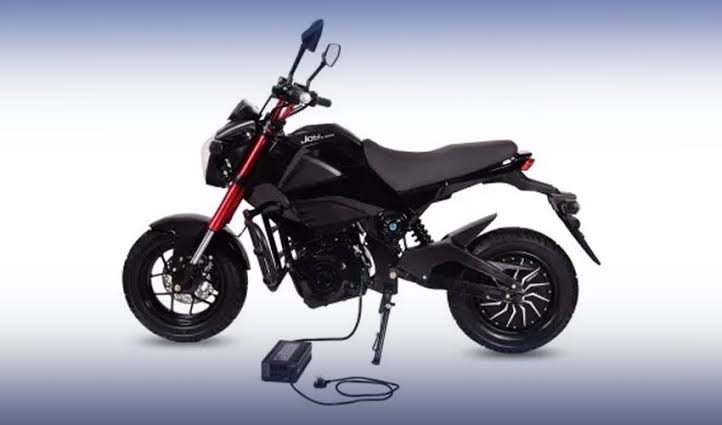
E bikes have changed the way many people think about everyday cycling. They offer the familiar feel of a bicycle while adding electric assistance that can make hills, longer rides, commuting, and carrying extra weight much easier.
For some riders, an e-bike replaces short car trips. For others, it is simply a more comfortable way to ride without arriving exhausted. But choosing one can be confusing. Motor power, battery capacity, range, pedal assist, bike class, frame style, and price all affect the experience.
The good news is that you do not need to understand every technical specification before buying. You mainly need to match the bike to how you actually plan to use it.
What Are E Bikes?
E bikes are bicycles equipped with an electric motor, battery, and control system that provide assistance while riding. Most are designed around pedal assist, meaning the motor helps when you pedal rather than replacing pedaling completely.
Some models also have a throttle, which can provide motor power without continuous pedaling, depending on the bike and local regulations.
The motor is usually mounted in one of two places:
- Hub motor: Built into the front or rear wheel.
- Mid-drive motor: Mounted around the bicycle’s crank and pedals.
Hub motors are often straightforward and can be less expensive. Mid-drive systems can provide a more natural riding feel and perform particularly well on hills because they work through the bike’s gears.
Why People Choose E Bikes
The biggest advantage is simple: an electric motor reduces the effort required to ride.
Imagine commuting five or ten miles by conventional bicycle. The distance may be manageable, but hills, heat, traffic, or arriving at work sweaty can make the trip inconvenient. An electric bike can reduce that burden while still allowing you to pedal.
E bikes can also be useful for:
- Daily commuting
- Recreational riding
- Running local errands
- Carrying groceries
- Riding in hilly areas
- Replacing some short car journeys
- Helping riders who find traditional cycling physically demanding
They are not automatically the best transportation choice for everyone, though. Charging, maintenance, storage, theft protection, and local regulations all deserve consideration.
Key Benefits of E Bikes
Easier Hills and Longer Distances
Electric assistance is particularly noticeable when climbing hills or riding against strong wind. Instead of avoiding difficult routes, you can choose them with less concern about exhausting yourself.
Flexible Exercise
An electric bike does not mean you cannot exercise. Most pedal-assist systems allow you to control how much help you receive.
You might use higher assistance on a steep hill and lower assistance on flat roads. This makes it possible to adjust the workout to your energy level.
Practical Commuting
For many commuters, an e-bike can occupy a useful middle ground between walking and driving. You can travel farther than you comfortably might on foot while avoiding some of the costs and parking problems associated with a car.
Useful for Carrying Loads
Cargo-oriented e-bikes are designed to carry groceries, bags, children, or other loads. The motor becomes especially helpful when the additional weight makes starting and climbing more difficult.
More Accessible Cycling
Electric assistance can make cycling more approachable for people who are intimidated by distance or hills. It can also help experienced cyclists ride farther without making every trip physically demanding.
How to Choose the Right E Bike
The best bike is not necessarily the one with the biggest motor or largest battery. Start with your intended use.
1. Decide Where You Will Ride
Think about your normal routes.
If you mainly ride paved city streets, a lightweight commuter bike may be appropriate. If your routes include rough paths or gravel, look for suitable tires, suspension, and frame design.
For steep terrain, pay particular attention to motor characteristics and gearing.
2. Choose the Right Frame Style
Common designs include:
- Step-over: Traditional bicycle frame with a higher top tube.
- Step-through: Lower frame section that makes mounting and dismounting easier.
- Folding: Designed for compact storage and transportation.
- Cargo: Built around carrying people or equipment.
- Fat-tire: Wider tires intended for specific terrain and riding conditions.
Frame choice affects comfort, handling, storage, and ease of use, so it should not be treated as purely a cosmetic decision.
3. Understand Battery Capacity
Battery capacity is commonly expressed in watt-hours (Wh).
A larger Wh rating generally means more stored energy, but it does not guarantee a particular distance. Range depends on factors such as rider weight, terrain, speed, temperature, tire pressure, assistance level, and wind.
For that reason, advertised maximum range should be treated as an estimate rather than a promise.
4. Consider the Motor
Motor specifications can look impressive on paper, but raw power is not the only factor that determines performance.
For example, two bikes with similar advertised motor ratings can feel different because of their motor tuning, gearing, weight, torque delivery, and overall design.
If you regularly ride steep hills, look beyond a simple wattage number and consider the complete drive system.
5. Check the Brakes
A heavier and faster bicycle needs dependable braking.
Hydraulic disc brakes can provide strong and controlled stopping performance, while mechanical disc brakes may be simpler to maintain. Whatever system you choose, replacement parts and service availability should also be considered.
6. Think About Comfort
A technically impressive bike can still be a poor purchase if it is uncomfortable.
Pay attention to:
- Saddle design
- Handlebar position
- Frame size
- Tire width
- Riding posture
- Suspension
- Grip position
If possible, test ride before buying.
How Much Range Do E Bikes Really Have?
There is no single range figure that applies to every e-bike.
A bike ridden slowly on flat pavement with moderate assistance can travel much farther on one charge than the same bike ridden quickly uphill with maximum assistance.
To estimate your practical range, consider your usual route rather than relying solely on the manufacturer’s best-case figure.
A useful approach is to choose a battery with enough capacity for your typical ride plus a reasonable reserve. Regularly draining a battery completely because your route is right at the advertised maximum can become frustrating.
E-Bike Maintenance Basics
E bikes need many of the same maintenance tasks as ordinary bicycles.
Check the tires regularly and keep them inflated according to the manufacturer’s guidance. Inspect the brakes, chain, gears, and electrical connections. Keep the drivetrain clean and lubricated when appropriate.
Battery care also matters. Follow the manufacturer’s charging and storage instructions rather than assuming every battery should be treated the same way.
If the bike develops an electrical fault, unusual battery behavior, or charging problem, use qualified service rather than attempting an unsafe repair.
Common E-Bike Buying Mistakes
Buying Based Only on Motor Power
A larger number on the motor specification does not automatically mean a better bicycle.
Consider the entire system, including weight, gearing, battery, brakes, frame quality, and support.
Ignoring Weight
Some electric bikes are substantially heavier than conventional bicycles. That matters if you need to carry the bike upstairs, load it into a vehicle, or move it without motor assistance.
Choosing Based on Maximum Range
Maximum range is usually achieved under favorable conditions. Your real-world result can be considerably different.
Think about your actual route, riding style, and assistance level.
Forgetting Theft Protection
An expensive e-bike should be treated as valuable equipment.
Use an appropriate lock, consider where you will park it, and investigate additional security options where practical. Some riders may also consider insurance depending on the bike’s value and their circumstances.
Buying Without Checking Local Rules
Electric-bike regulations vary by jurisdiction. Rules can cover speed limits, motor output, throttle use, age requirements, helmet requirements, and where different types of e-bikes can legally operate.
Check the rules that apply where you live before purchasing or modifying a bike.
Expert Tips for Getting More From Your E Bike
Start with the lowest assistance level that comfortably handles your route. You may discover that you need far less motor assistance on flat roads than expected.
Keep your tires properly inflated. Tire pressure affects comfort, rolling resistance, handling, and efficiency.
Learn how your bike’s controls work before riding in traffic. Practice changing assistance levels, braking smoothly, and starting from a stop.
Finally, do not overlook the bicycle itself. A well-designed frame, reliable brakes, comfortable contact points, and quality components can have a greater effect on everyday satisfaction than an impressive specification sheet.
Are E Bikes Worth It?
For the right rider, an e-bike can be an extremely practical investment.
The strongest case is usually someone who has a regular need for short- or medium-distance transportation and wants something easier than conventional cycling but simpler than driving.
The value becomes less obvious if you rarely ride, have nowhere secure to store the bike, or have routes that are poorly suited to cycling.
Think about your actual transportation habits before buying. An expensive e-bike that sits unused is not a good deal, regardless of how impressive its specifications look.
Frequently Asked Questions
What are e bikes?
E bikes are bicycles equipped with an electric motor and battery that provide assistance while riding. Most use pedal assist, while some models also offer a throttle.
How far can an e-bike travel on one charge?
Range varies considerably. Battery capacity, rider weight, terrain, speed, temperature, tire pressure, and assistance level can all affect how far the bike travels.
Do you have to pedal an electric bike?
Usually, yes when using pedal assist. Some e-bikes also have throttles, but the availability and legal use of throttles depend on the model and local regulations.
Are e bikes good for commuting?
They can be excellent for commuting, particularly when the route is too long or hilly for comfortable conventional cycling. Storage, charging, weather, traffic, and local cycling infrastructure should also be considered.
How long does an e-bike battery last?
Battery lifespan depends on the battery chemistry, charging habits, usage, temperature, storage, and manufacturer. Follow the manufacturer’s recommendations for charging and storage.
Can you ride an e-bike in the rain?
Many e-bikes are designed to handle normal wet-weather riding, but that does not mean they are waterproof. Avoid submerging electrical components and follow the manufacturer’s guidance for wet conditions.
Are e bikes difficult to maintain?
Routine maintenance is similar to that of a conventional bicycle, including tires, brakes, chain, gears, and general inspections. Electrical or battery problems may require specialized service.
What should I look for when buying an e-bike?
Focus on intended use, frame size and style, battery capacity, motor characteristics, brakes, weight, comfort, warranty and service support, replacement parts, and local regulations.
Final Thoughts
E bikes can make cycling more practical without removing the parts of cycling people enjoy. They can help with hills, longer journeys, commuting, errands, and recreational rides while letting the rider decide how much effort to put in.
The smartest purchase starts with your routine, not a specification sheet. Consider where you ride, how far you travel, how much you want to pedal, where the bike will be stored, and what type of support is available if something goes wrong.
Choose around those needs, and you are far more likely to end up with an electric bike that you will actually enjoy using.