

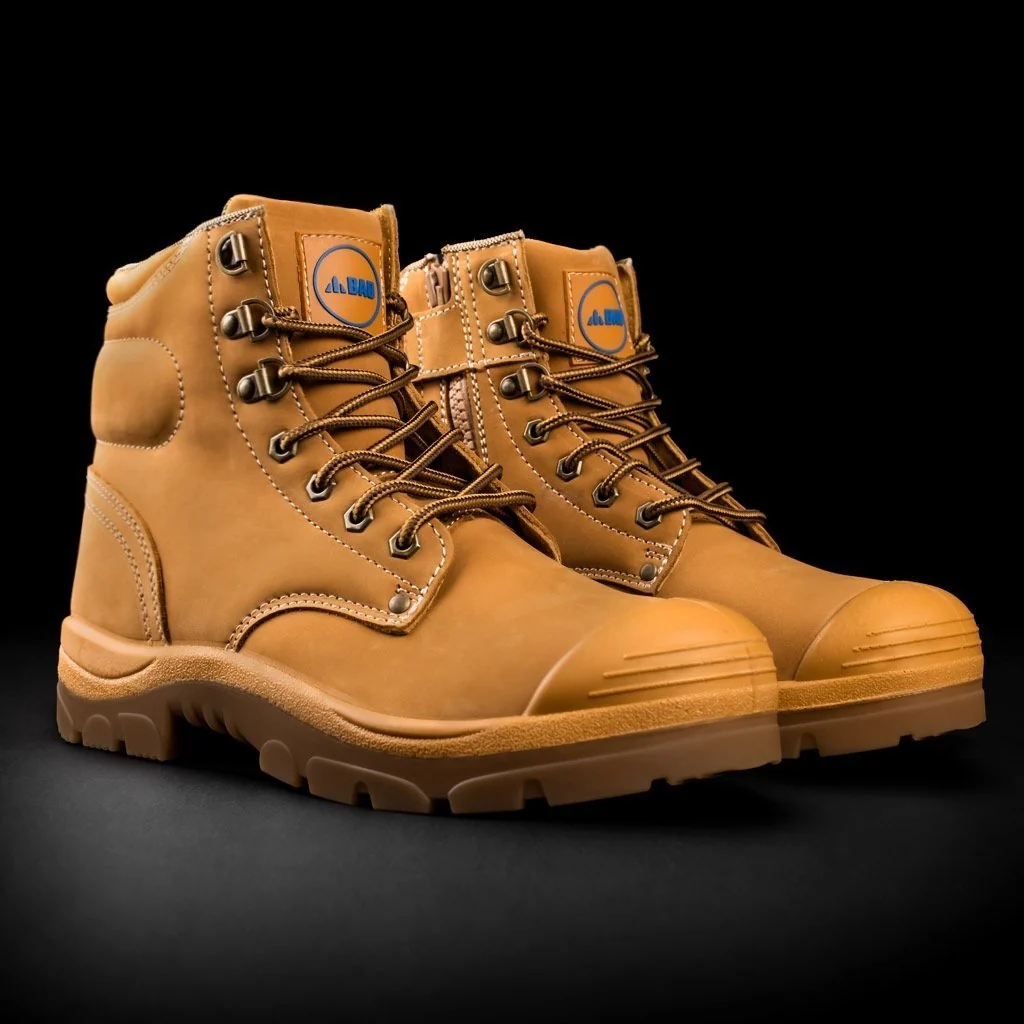
Work boots are built for jobs where ordinary shoes are not enough. Construction sites, warehouses, farms, workshops, factories, landscaping jobs, and other demanding workplaces can expose your feet to heavy objects, sharp surfaces, moisture, chemicals, slippery floors, and long hours on hard ground.
The right pair does more than protect your feet. A well-fitting boot can make long shifts more comfortable, provide better traction, and help you stay steady while moving around demanding work environments. The wrong pair, however, can cause discomfort even if it looks tough on the outside.
That is why choosing work boots should start with your actual job rather than appearance alone. Different workplaces require different combinations of protection, flexibility, waterproofing, insulation, and support.
What Are Work Boots?
Work boots are footwear designed specifically for demanding work conditions. They are generally made with tougher materials and construction than ordinary casual footwear and may include protective features such as reinforced toes, slip-resistant outsoles, puncture-resistant layers, waterproof membranes, or electrical hazard protection.
Not every work boot has every safety feature. A lightweight boot designed for warehouse work may be very different from a heavy-duty boot intended for construction or outdoor work.
This distinction matters because more protection is not automatically better for every job. A heavy, rigid boot can become uncomfortable when your work requires frequent walking, climbing stairs, kneeling, or driving.
Why Choosing the Right Work Boots Matters
Your feet can take a surprising amount of punishment during a working day. Standing on concrete for hours, carrying loads, walking over uneven ground, or working in wet conditions can quickly expose weaknesses in poorly chosen footwear.
Good work boots should match the hazards and physical demands of your workplace.
For example, someone working around heavy equipment may prioritize toe protection, while a person working outdoors in wet conditions may care more about waterproof construction and traction. Someone spending most of the day on a warehouse floor may prefer a lighter design with cushioning and a flexible sole.
The goal is not simply to buy the toughest-looking boot. It is to find the combination of protection and comfort that makes sense for your daily work.
Key Features to Look For in Work Boots
Safety Toe Protection
Safety toes are useful when there is a realistic risk of objects falling or rolling onto your feet.
Common designs include steel, composite, and alloy toes. Steel is traditionally known for its strength, while composite materials can offer a lighter alternative and do not conduct temperature in the same way metal does.
Check the safety requirements of your workplace before choosing a toe type. A boot should meet the standard required for your job rather than simply having a protective-looking toe.
Slip-Resistant Outsoles
Traction becomes particularly important on wet, oily, muddy, or polished surfaces.
Look for an outsole designed for the conditions where you actually work. Deep aggressive tread can be useful outdoors, but it may not always be the most comfortable choice for smooth indoor floors.
Remember that no outsole can eliminate every slipping hazard. Good footwear is only one part of safe movement at work.
Waterproofing
Waterproof work boots can be valuable for outdoor jobs, landscaping, agriculture, utilities, and other wet environments.
However, waterproofing can sometimes reduce breathability. If you work indoors in a warm environment, a highly waterproof boot may feel hotter than a more breathable option.
Consider how often you actually encounter water rather than assuming waterproof is always the best choice.
Cushioning and Support
If you spend eight or more hours on your feet, cushioning deserves serious attention.
A supportive footbed can make standing and walking more comfortable, while adequate cushioning can reduce the harsh feel of concrete and other hard surfaces.
Still, more cushioning is not automatically better. Your foot should feel stable rather than sinking excessively into the boot.
Ankle Support
Higher shafts can provide additional coverage and support, particularly when working on uneven terrain.
But tall boots can also feel restrictive. If your job involves frequent bending or climbing, you may prefer a design that provides support without limiting natural movement.
Durable Materials
Leather remains a popular choice because it can be durable and develops a useful break-in feel over time when properly maintained. Synthetic materials can offer advantages such as lower weight, quicker drying, or different levels of flexibility.
The best material depends on the work environment and how you maintain the boots.
How to Choose Work Boots Step by Step
1. Start With Your Job
Think about the hazards you encounter during a normal shift.
Ask yourself:
- Do heavy objects present a risk?
- Are floors frequently wet or oily?
- Do you work outdoors?
- Are you exposed to mud or rain?
- Do you walk long distances?
- Are you around electrical hazards?
- Do you work in very hot or cold conditions?
- Are there workplace requirements for protective footwear?
Your answers create a practical checklist before you start shopping.
2. Check Workplace Requirements
Some employers specify the type or safety rating of footwear employees must use.
Do not assume that any boot labeled “safety” meets your workplace’s requirements. Check the applicable safety standard and your employer’s policy before purchasing.
This is especially important when protective footwear is mandatory.
3. Get the Fit Right
A durable boot that does not fit properly can become a daily source of discomfort.
Your toes should have enough room to move without your foot sliding excessively inside the boot. Your heel should remain reasonably secure when walking, while the widest part of your foot should not feel squeezed.
Try boots with the socks you normally wear for work.
Also consider trying them later in the day. Feet can change slightly in size after hours of standing and walking, so a pair that feels perfect early in the morning may feel different later.
4. Walk Around Before Buying
If possible, walk around in the boots before purchasing them.
Pay attention to pressure around the toes, heel movement, arch area, and ankle. Bend your knees and simulate movements you commonly make at work.
A boot should feel secure without creating obvious pressure points.
5. Consider Weight
Heavy-duty boots can provide substantial protection, but carrying extra weight on your feet throughout an entire shift can become tiring.
If your job does not require a particularly heavy construction boot, a lighter safety model may make more sense.
This is one reason job-specific footwear is usually more practical than buying the most rugged-looking pair available.
6. Think About Your Working Surface
Your workplace surface should influence your outsole choice.
Concrete floors, muddy fields, gravel, ladders, wet tiles, and rocky trails all present different traction requirements. The ideal tread for one environment may be unnecessary or uncomfortable in another.
Common Mistakes When Buying Work Boots
Buying Only for Appearance
A boot can look rugged without being appropriate for your workplace.
Focus first on protection, fit, traction, materials, and comfort. Style can be considered after those requirements are covered.
Choosing the Wrong Size
A common mistake is assuming work boots should fit exactly like casual sneakers.
Boot construction varies significantly between brands and models. Always check the manufacturer’s sizing guidance and, when possible, try the actual pair on.
Ignoring Socks
Thick work socks can significantly change how a boot fits.
Always test the boots with the socks you expect to wear during your shifts.
Assuming Waterproof Means Better
Waterproof boots are useful in wet environments, but they may not be necessary for every indoor job.
If your workplace is hot and dry, breathability may matter more.
Skipping the Break-In Period
Some leather boots become more comfortable after they are worn gradually.
That does not mean you should tolerate severe pain while “breaking them in.” Persistent rubbing, numbness, or pressure usually indicates a fit problem rather than something you should simply endure.
How to Make Work Boots Last Longer
Even well-made work boots eventually wear out, but proper care can extend their useful life.
Clean dirt and mud from the exterior instead of allowing it to accumulate. Follow the manufacturer’s instructions for conditioning leather or cleaning synthetic materials.
Allow wet boots to dry naturally. Excessive direct heat can damage some materials, adhesives, and leather.
Pay attention to the outsole as well. Deep tread that has become heavily worn can reduce traction, even if the upper still looks perfectly usable.
Rotating between two pairs, when practical, can also give each pair more time to dry between shifts.
Work Boots for Different Jobs
Construction
Construction workers may need a combination of toe protection, durable construction, strong traction, and protection appropriate to the site’s hazards.
Warehouse Work
Warehouse workers often spend long periods walking or standing on hard floors. Comfort, traction, and a manageable boot weight may be especially important.
Outdoor and Landscaping Jobs
Outdoor workers may benefit from durable materials, aggressive traction, and water resistance or waterproofing depending on local conditions.
Farm Work
Farm environments can involve mud, water, uneven ground, and heavy equipment. Easy-to-clean materials and dependable traction can be useful considerations.
Workshop and Industrial Jobs
Workshops and industrial environments can have different hazards, including machinery, sharp materials, liquids, and heavy objects. The correct protective features should be selected according to the actual workplace risks.
Expert Tips for Getting Better Value
Don’t judge durability solely by how thick or heavy a boot feels.
Look at the construction, outsole quality, stitching, fastening system, materials, and replacement options. A slightly more expensive boot that fits properly and suits your work may provide better practical value than a cheaper boot that causes discomfort or wears out quickly.
Also consider your climate. In hot conditions, ventilation and moisture management may matter considerably. In cold environments, insulation and appropriate socks become more important.
Finally, pay attention to how your boots feel after several hours, not just during a five-minute fitting. Your working day is the real test.
Frequently Asked Questions About Work Boots
What are the best work boots for everyday use?
The right work boots depend on your workplace. For general use, prioritize a comfortable fit, suitable traction, durable construction, and any safety features your job requires.
Should work boots be tight or loose?
They should be secure without squeezing your feet. Your toes need adequate room, while your heel should not slide excessively with each step.
How long should work boots last?
There is no universal lifespan. Work intensity, materials, weather, maintenance, body weight, walking surfaces, and boot construction all affect how quickly footwear wears out. Replace boots when protection, structural support, or traction has deteriorated.
Are steel-toe work boots better than composite-toe boots?
Neither is universally better. Steel and composite safety toes have different characteristics. Your choice should depend on workplace requirements, temperature, weight preferences, and the protection standard required for your job.
Can I wear work boots every day?
Yes, provided the boots are appropriate for your activities and remain comfortable. However, wearing the same pair continuously can increase moisture and wear, so proper drying and maintenance are useful.
Do work boots need to be waterproof?
Not necessarily. Waterproofing is particularly useful in wet environments, but workers in hot or dry indoor environments may benefit more from breathable footwear.
How can I make work boots more comfortable?
Start with the correct size and suitable socks. A properly designed insole may also help if it is compatible with the boot. If discomfort continues, reconsider the boot’s shape and construction rather than simply adding more cushioning.
When should I replace my work boots?
Replace them when the outsole is significantly worn, protective components are compromised, the upper is damaged, the sole separates, or the boots no longer provide the support and protection required for your work.
Final Thoughts
The best work boots are not necessarily the heaviest, most expensive, or most rugged-looking pair. They are the ones that match your workplace, fit your feet properly, provide the protection you actually need, and remain comfortable throughout your shift.
Start by identifying the hazards around your job. Then compare safety features, traction, materials, weight, waterproofing, support, and fit. Taking a few extra minutes to make that decision can make a noticeable difference when you’re wearing the same boots for hours every day.
FAQ Section
1. What are work boots used for?
Work boots are designed to provide durability, traction, comfort, and job-specific protection in demanding work environments.
2. Are steel-toe boots necessary for every job?
No. They are mainly needed when workplace hazards or employer requirements call for protective toe footwear.
3. How should work boots fit?
They should feel secure without squeezing your toes or causing pressure points. Your heel should remain reasonably stable while walking.
4. Are waterproof work boots worth buying?
They can be useful for wet outdoor environments, but they may not be necessary for dry indoor work.
5. How do I keep work boots in good condition?
Clean them regularly, follow the manufacturer’s care instructions, allow wet boots to dry naturally, and monitor the outsole and upper for excessive wear.
6. Are heavier work boots safer?
Not necessarily. Safety depends on the specific protective features and standards required for the job, not simply the weight of the boot.
7. Can work boots be worn all day?
Yes, if they fit properly and are suitable for your working conditions. Comfort, moisture management, and support become especially important during long shifts.