
Most people know the green skin and the roar. Fewer know that Lou Ferrigno built his career while working around a hearing loss that most casting directors of the 1970s would have seen as a dealbreaker, not a footnote.
That contrast — the quiet reality behind the larger-than-life image is what makes his story worth telling properly, instead of just recycling the same three facts every fan site repeats.
Who Is Lou Ferrigno?
Louis Jude Ferrigno was born on November 9, 1951, in Brooklyn, New York, to Matty and Victoria Lou Ferrigno. His father worked as a police lieutenant. Not long after birth, a series of ear infections left Lou with significant hearing loss later estimated at around 75 to 80 percent — though it wasn’t formally diagnosed until he was three, and he didn’t get hearing aids until age five.
Growing up partially deaf in a working-class Brooklyn neighborhood in the 1950s and 60s wasn’t easy. Kids can be brutal about differences they don’t understand, and Ferrigno has spoken about being bullied because of it. He found an outlet in comic books, and later, in weight training. At 13, inspired partly by bodybuilder-turned-actor Steve Reeves, he started lifting seriously.
That decision reshaped the rest of his life.
From Sheet Metal Shop to Mr. Universe
Lou Ferrigno didn’t come up through some elite training program. After high school, he worked as a sheet metal fabricator in Brooklyn — a physically demanding job that, in its own way, probably helped build the frame he’d later become famous for. A workplace accident eventually pushed him out of that trade and further into bodybuilding.
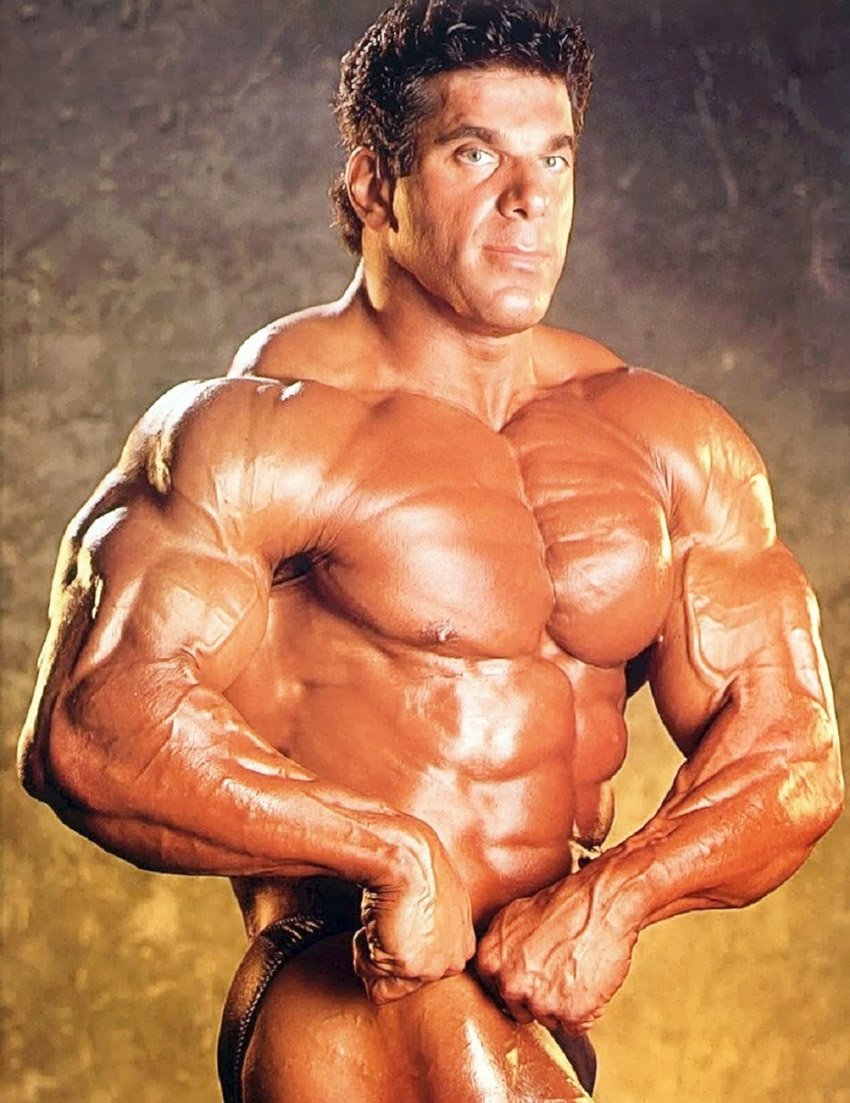
His competitive rise was fast. He entered his first show, the WBBG Pro Mr. America teen division, in 1971 at age 20. By 1973, at just 22, he won both the IFBB Mr. America and IFBB Mr. Universe titles. He repeated as Mr. Universe in 1974. During this stretch, he trained in Columbus, Ohio, alongside a young Arnold Schwarzenegger — a rivalry and friendship that would later become one of the most talked-about relationships in bodybuilding history.
He placed second at Mr. Olympia in 1974 and third in 1975, competing against Schwarzenegger and Serge Nubret among others. He never won the Olympia title outright, which is worth saying plainly — Lou Ferrigno legacy isn’t built on being undefeated. It’s built on what came next.
Pumping Iron Changed Everything
The 1977 documentary Pumping Iron is probably the single most important thing that happened to Ferrigno’s career outside the gym. The film followed the lead-up to the 1975 Mr. Olympia contest, and Ferrigno’s on-camera presence — his size, his intensity, and his openly stated dream of playing a superhero — caught the attention of television producer Kenneth Johnson, who was casting a new CBS series based on Marvel’s Incredible Hulk.
Ferrigno was 24, and by most accounts the largest bodybuilder working at the time. That size, combined with genuine screen presence, got him the part.
The Role That Defined Him
The Incredible Hulk ran on CBS from 1977 (some sources cite the pilot’s release date, others mark the series proper from 1978) through 1982. Ferrigno played the title role opposite Bill Bixby’s Dr. David Banner, doing the vast majority of his own physical work in the transformation scenes.
He set his bodybuilding career aside for roughly 15 years to focus on acting, and the Hulk became the role people would forever associate with him — enough that he went on to voice the character in later animated series and Marvel films long after the original show ended.
After the CBS series wrapped, Ferrigno kept working. He appeared in Italian-produced fantasy films like Hercules (1983) and its sequel, plus Sinbad of the Seven Seas (1989). He took a regular role as a paramedic on the short-lived ABC series Trauma Center, made guest appearances on shows like The Fall Guy and Matt Houston, and later showed up as a semi-fictionalized version of himself on The King of Queens — a recurring bit that introduced him to a whole new generation who’d never seen the original Hulk broadcast.
A Return to Competition — and a Documented Comeback
In the early 1990s, well into his acting career, Ferrigno returned to bodybuilding competition. He competed at the 1992 and 1993 Mr. Olympia contests, finishing 12th and 10th. He then aimed at the 1994 Masters Olympia, attempting to beat contemporaries Robbie Robinson and Boyer Coe. That comeback attempt became the subject of the 1996 documentary Stand Tall, after which he retired from competitive bodybuilding for good.
Somewhere in there, he also had an odd two-game stint as a defensive lineman for the Toronto Argonauts of the Canadian Football League, despite never having played organized football before. It didn’t last, but it’s a good reminder that Ferrigno’s career took some genuinely unusual detours — this wasn’t a man who stuck to one lane.
Life Beyond the Screen
Ferrigno has worked as a personal trainer and fitness consultant for decades, including a documented stretch training Michael Jackson ahead of tour performances. He later became a reserve deputy sheriff, a role he’s held publicly and spoken about in interviews.
His more recent screen credits include a supporting part in the 2009 comedy I Love You, Man and a season of Celebrity Apprentice in 2008, where his team won at least one televised challenge.
On the personal side, Ferrigno has been married twice. His first marriage, to Susan Groff, was brief (1978–1979). His second marriage, to Carla Green, began in 1980; the couple has three children together, including Lou Ferrigno Jr., who has also worked in fitness and entertainment.
Why His Story Still Matters
It would be easy to flatten Ferrigno’s story into a simple inspirational arc — “kid overcomes disability, becomes muscle-bound TV star” — and stop there. But the more interesting part is how ordinary a lot of the path actually was: a factory job, a workplace injury, years of placing second and third instead of first, a career detour into pro football that didn’t pan out, a mid-career return to competition that ended in retirement rather than triumph.
What separates Ferrigno from a lot of bodybuilders of his era isn’t that everything worked out perfectly. It’s that he kept adapting — competitor to actor, actor to trainer, trainer to law enforcement volunteer — instead of trying to hold onto one identity past its expiration date.
Common Misconceptions About Lou Ferrigno
“He was completely deaf.” Not accurate. His hearing loss is significant — commonly cited around 75 to 80 percent — but it isn’t total deafness, and he’s used hearing aids since childhood.
“He won Mr. Olympia.” He never did. His best Olympia finishes were second (1974) and third (1975). His major titles were Mr. America and Mr. Universe.
“His acting career was just the Hulk.” He had a long run of other work Italian fantasy films, TV guest spots, a recurring bit on The King of Queens, and voice work in later Hulk media — spanning decades before and after the original series.
Frequently Asked Questions
Is Lou Ferrigno deaf? He has significant hearing loss, generally cited at around 75 to 80 percent, caused by childhood ear infections. He is not completely deaf and has worn hearing aids since he was five.
Did Lou Ferrigno ever win Mr. Olympia? No. He placed second in 1974 and third in 1975, but his top titles were IFBB Mr. America and two IFBB Mr. Universe wins (1973 and 1974).
How is Lou Ferrigno connected to Arnold Schwarzenegger? They trained together in Columbus, Ohio, in the early 1970s and competed against each other, most famously as documented in the 1977 film Pumping Iron. Their rivalry became one of bodybuilding’s best-known stories.
What is Lou Ferrigno’s most famous role? Playing the title character in CBS’s The Incredible Hulk (1977–1982), a role he later reprised in voice form for animated and CG projects.
Did Lou Ferrigno play any other sports? Yes briefly. He played two games as a defensive lineman for the Toronto Argonauts in the Canadian Football League despite no prior football experience.
Is Lou Ferrigno still involved in fitness or acting? He has continued working as a fitness consultant and personal trainer for decades and has taken on various acting and public appearance roles, including reality television.
Was Lou Ferrigno really a police officer? He has served as a reserve deputy sheriff, a role separate from his acting and bodybuilding careers.
Final Thoughts
Lou Ferrigno’s career doesn’t fit neatly into one box, and that’s probably the point. He’s a former sheet metal worker who became a two-time Mr. Universe, a bodybuilder who lost as often as he won at the sport’s highest level, and an actor whose most famous role required almost no dialogue at all. The hearing loss that could have sidelined him instead became part of a career built on being seen rather than heard which, for a guy who spent five seasons playing a character who barely spoke, feels less like coincidence and more like the whole story