

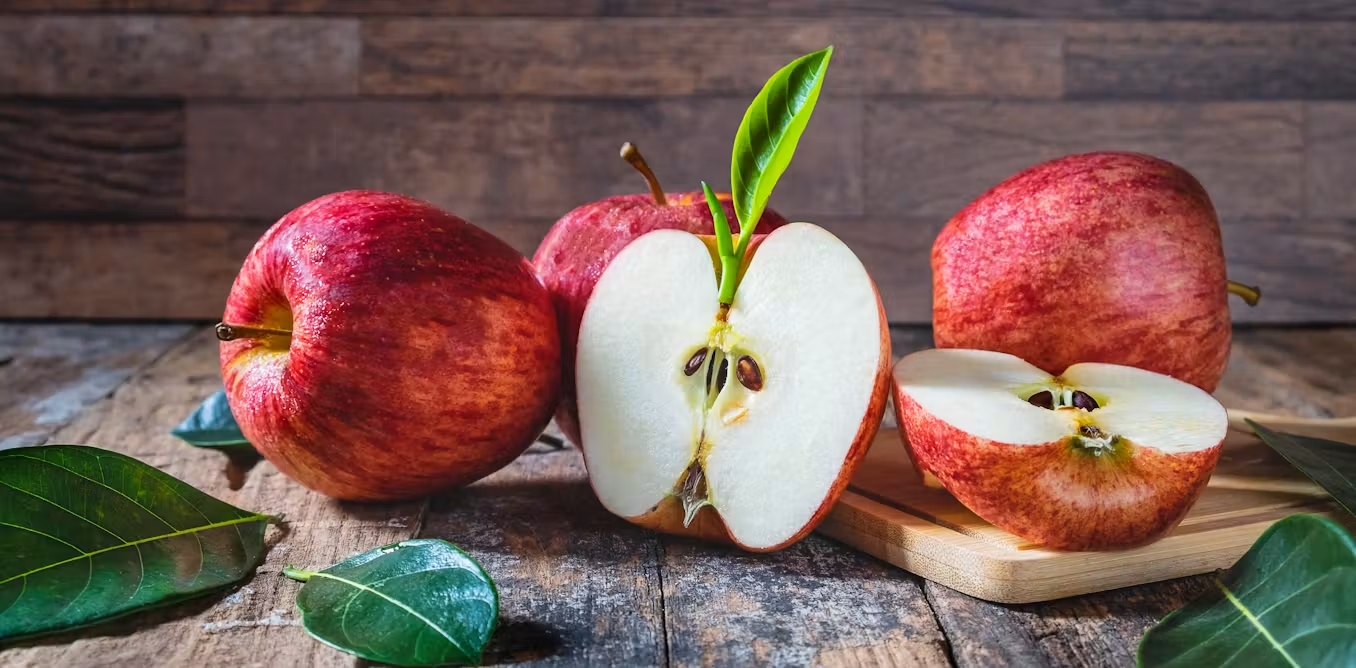
Apples are one of the simplest foods to add to an everyday diet. They are portable, naturally sweet, easy to store, and versatile enough to work in breakfast, snacks, salads, desserts, and savory meals. But the value of apple food goes beyond convenience. Apples provide fiber, water, vitamins, minerals, and plant compounds that can contribute to a balanced eating pattern.
The type of apple, how you prepare it, and what you eat with it can all change the overall nutritional value of a meal. A whole apple, for example, is quite different from apple juice or a sugary apple dessert.
This guide explains what makes apples nutritious, their potential benefits, how to include them in meals, and some common mistakes to avoid.
What Is Apple Food?
Apple food refers to apples used as a food ingredient or eaten as a whole fruit. Apples come in many varieties, including sweet, tart, crisp, and soft types. Popular varieties include Gala, Fuji, Honeycrisp, Granny Smith, Red Delicious, and Golden Delicious.
A whole apple contains several naturally occurring nutrients, particularly dietary fiber and vitamin C. Apples also contain plant compounds called polyphenols. These compounds are part of the reason fruits are associated with a healthy eating pattern.
One medium apple with its skin provides a useful amount of fiber while also contributing relatively few calories compared with many processed snack foods.
The skin is worth keeping when it is clean and suitable for eating because some fiber and plant compounds are concentrated there.
Why Apples Matter in a Balanced Diet
A good snack does more than satisfy hunger for a few minutes. Ideally, it should provide nutrients and fit easily into your normal eating habits.
Apples can do that because they combine natural carbohydrates with water and fiber. The fiber slows digestion compared with many highly processed, low-fiber snacks and can help make an apple more satisfying.
Apples are also convenient. You do not need to cook a whole apple before eating it, making it useful for work, school, travel, or a quick snack at home.
However, an apple should not be viewed as a complete meal. It contains relatively little protein and fat, so pairing it with another nutritious food can make a snack more balanced.
For example, an apple with peanut butter, plain yogurt, nuts, or cheese provides a combination of carbohydrates, protein, and fat.
Key Benefits of Apple Food
1. Apples Provide Dietary Fiber
Fiber is one of the most useful nutritional features of whole apples. Much of the fiber is found in and around the skin.
Dietary fiber supports normal digestive function and can contribute to feelings of fullness. A diet containing enough fiber from fruits, vegetables, whole grains, beans, and other plant foods is generally beneficial for digestive and overall health.
If you are increasing your fiber intake, do it gradually and drink enough fluids. A sudden large increase can cause bloating or digestive discomfort in some people.
2. They Contain Vitamin C
Apples provide vitamin C, although they are not among the richest sources of this vitamin.
Vitamin C plays several roles in the body, including supporting normal immune function, collagen production, and antioxidant protection.
Eating a variety of fruits and vegetables is a better strategy for meeting vitamin C needs than relying on apples alone.
3. Apples Contain Plant Compounds
Apples contain polyphenols and other naturally occurring plant compounds. These substances are being studied for their potential effects on health.
The amount and type of these compounds can vary depending on the apple variety, maturity, storage, and preparation method.
This is another reason whole fruit is generally preferable to treating apples simply as a source of sweetness.
4. Whole Apples Can Be a Filling Snack
An apple contains water and fiber, which can make it more satisfying than many snacks made primarily from refined carbohydrates.
For people who regularly reach for cookies, candy, or other highly processed snacks between meals, replacing some of those choices with whole fruit can be a practical dietary improvement.
Still, hunger varies from person to person. If an apple alone does not keep you satisfied, combine it with a source of protein or healthy fat.
5. Apples Are Easy to Use in Meals
One of the biggest advantages of apple food is flexibility.
You can slice an apple into oatmeal, chop it into a salad, bake it with spices, blend it into certain recipes, or simply eat it whole.
Different varieties also work better for different purposes. Tart apples can provide contrast in salads, while naturally sweet varieties can work well in breakfast dishes or baked recipes.
Whole Apple vs. Apple Juice
This is an important distinction.
Whole apples contain fiber and require chewing, while apple juice generally contains much less fiber and is easier to consume quickly.
A glass of juice can contain the sugars from several apples without providing the same physical fullness as eating whole fruit.
That does not mean apple juice is automatically harmful. It simply serves a different nutritional role. For everyday eating, whole apples are usually the more useful choice.
If you enjoy juice, keep portions reasonable and avoid assuming that juice has exactly the same nutritional effect as whole fruit.
Is Apple Skin Safe to Eat?
For most people, apple skin is perfectly edible.
Washing apples thoroughly under running water before eating them helps remove dirt and surface residue. If an apple has visible damage or spoilage, cut away the affected area or discard the fruit if the damage is extensive.
Some people prefer peeled apples because of texture, taste, or digestive comfort. Peeling does not make an apple unhealthy; it simply removes some of the fiber and plant compounds found in the skin and outer flesh.
The most practical approach is to eat apples in the form you enjoy and can include consistently.
Healthy Ways to Eat Apple Food
Apple With Peanut Butter
Sliced apple with peanut butter is a simple snack that combines fruit with protein and fat.
Choose peanut butter with a short ingredient list when possible, particularly if you want to limit added sugar.
Apple and Yogurt
Chopped apple mixed with plain yogurt makes an easy breakfast or snack. Add cinnamon, nuts, or seeds for extra texture.
Apple in Oatmeal
Diced apples can be cooked with oatmeal or added after cooking. Cinnamon and a small amount of chopped nuts can complement the fruit without requiring much added sugar.
Apple Salad
Apples can add sweetness and crunch to green salads. Try combining sliced apple with leafy greens, cucumber, walnuts, and a simple dressing.
A tart variety can work particularly well because it balances richer ingredients.
Baked Apples
Baking brings out the apple’s natural sweetness and softens its texture. Instead of loading baked apples with large amounts of sugar, use cinnamon, chopped nuts, or a small amount of oats for flavor and texture.
Apple and Cheese
The sweet-tart flavor of apples pairs naturally with cheese. A few apple slices with cheese can make a convenient snack with a more balanced nutritional profile than fruit alone.
Common Mistakes When Eating Apples
Mistake 1: Treating Apple Juice as the Same as Whole Apples
Whole fruit and juice are not nutritionally identical. Fiber content and the way the food is consumed are major differences.
When possible, make whole fruit your regular choice.
Mistake 2: Turning a Healthy Fruit Into a Sugary Dessert
Apples themselves do not need much added sugar. Heavy amounts of caramel, syrup, sweetened sauces, or sugary toppings can dramatically change the nutritional profile of an otherwise simple fruit.
There is nothing wrong with enjoying a dessert occasionally, but it should not be confused with eating a plain apple.
Mistake 3: Eating Only Fruit When You Need a Complete Meal
An apple is nutritious, but it does not provide everything your body needs.
If you are hungry between meals, combine it with foods that provide protein and fat. If you are preparing a full meal, include a broader mix of vegetables, protein sources, whole grains, and healthy fats.
Mistake 4: Assuming Every Apple Has the Same Taste or Texture
Apple varieties differ considerably. A variety that works beautifully in a pie may not be your favorite for eating raw.
Experiment with different varieties rather than deciding that you simply dislike apples.
How to Choose and Store Apples
When buying apples, look for fruit that feels firm for its variety and does not have extensive bruising, mold, or soft damaged areas.
The ideal storage method depends partly on how quickly you plan to eat them. Refrigeration can help apples stay fresh for longer than leaving them at room temperature.
Keep damaged or cut apples separate from fruit you want to store for longer periods. Once cut, apples can brown because their exposed flesh reacts with oxygen. A little browning does not necessarily mean the apple has become unsafe, although obvious spoilage is a different matter.
Are Apples Good for Weight Management?
Whole apples can fit well into a weight-management eating pattern because they provide relatively few calories for their volume and contain fiber and water.
However, no single food causes weight loss. Body weight is influenced by overall food intake, activity, sleep, health conditions, medications, and many other factors.
If your goal is to manage weight, replacing calorie-dense, highly processed snacks with whole fruit can be one practical change. The overall eating pattern matters much more than the presence or absence of apples.
Can Everyone Eat Apples?
Most people can include apples as part of a normal balanced diet.
Some people may experience digestive discomfort from certain fruits because of individual sensitivities. People with specific food allergies should also avoid foods that trigger their symptoms.
If apples consistently cause significant digestive problems, it is worth discussing the pattern with a qualified healthcare professional rather than simply assuming that apples are unhealthy for everyone.
People with conditions requiring specific dietary restrictions should follow advice from their healthcare team.
Expert Tips for Getting More From Apples
Keep the fruit visible. Apples are more likely to become a regular snack when they are easy to see and reach.
Try several varieties. Flavor and texture vary considerably, so experimenting can help you find apples you actually enjoy.
Pair fruit strategically. Add nuts, yogurt, nut butter, or cheese when you want a more filling snack.
Choose whole fruit more often than juice. This preserves the natural fiber and makes it easier to eat the fruit more slowly.
Do not overcomplicate preparation. Washing an apple and eating it whole is already a nutritious option.
Use apples beyond dessert. Their sweet and tart flavors can work in salads, breakfast dishes, sandwiches, and savory meals.
Frequently Asked Questions
Is apple food healthy?
Yes, whole apples can be a nutritious part of a balanced diet. They provide fiber, vitamin C, water, and various plant compounds.
Is it better to eat an apple with the skin?
If you enjoy the skin and tolerate it well, eating a washed apple with its skin can provide more fiber and plant compounds than eating a peeled apple.
Can I eat apples every day?
For most people, eating an apple every day can fit comfortably into a varied diet. It is still useful to eat different fruits and vegetables rather than relying on one food.
Is apple juice as healthy as eating an apple?
No. Whole apples contain substantially more fiber and require more chewing. Juice can be included in a diet, but whole fruit is generally the more useful everyday option.
What is the best time to eat an apple?
There is no universally required time to eat an apple. You can have it with breakfast, as a snack, or alongside a meal. What matters more is your overall diet.
Can apples help with digestion?
Apples provide dietary fiber, which supports normal digestive function. However, individual responses vary, and eating too much fiber suddenly can cause digestive discomfort.
Are apples good for children?
Whole apples can be a nutritious food for children. Younger children should receive age-appropriate preparation, such as thin slices or smaller pieces, to reduce choking risk.
What foods pair well with apples?
Apples pair well with yogurt, nuts, peanut butter, oats, cheese, leafy greens, and cinnamon. These combinations can turn a simple fruit into a more satisfying snack or meal component.
Final Thoughts
Apple food is a straightforward example of how nutritious eating does not have to be complicated. A whole apple provides fiber, water, vitamin C, and plant compounds while being inexpensive, portable, and easy to prepare.
The most useful way to think about apples is as one part of a varied diet rather than a miracle food. Eat them whole when possible, keep the skin if you enjoy it, experiment with different varieties, and pair apples with protein or healthy fats when you need a more substantial snack.
Whether sliced into oatmeal, added to a salad, paired with yogurt, or eaten straight from the kitchen counter, apples can earn a regular place in a practical, balanced eating pattern.