
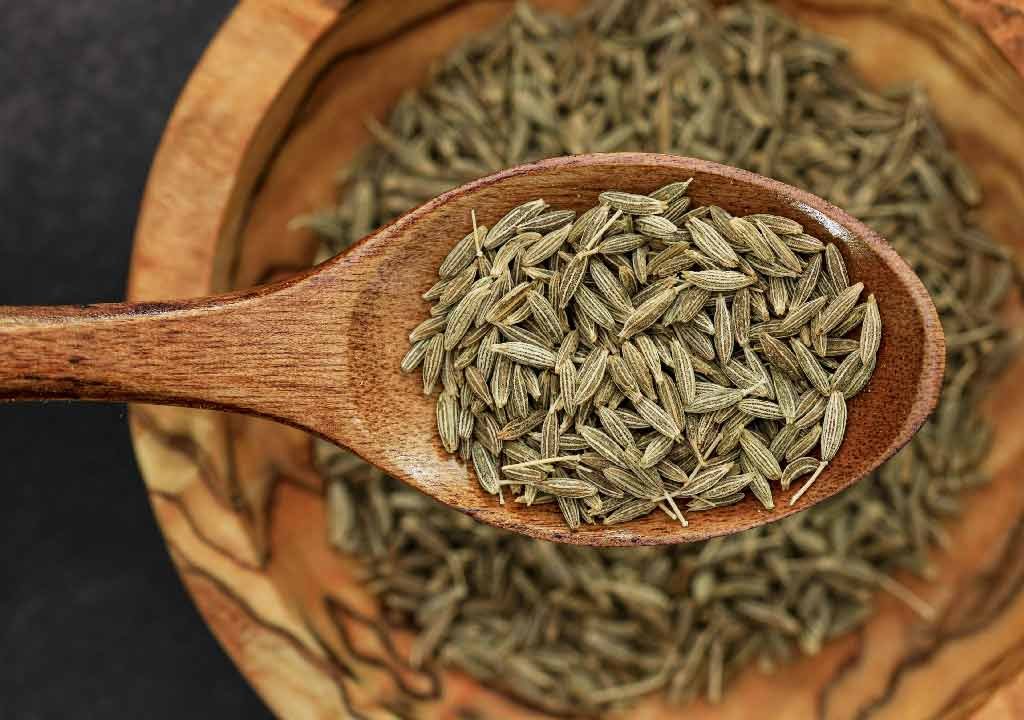
Cumin seeds are small, brownish seeds with a warm, earthy aroma and a slightly bitter, peppery flavor. They are used in cuisines around the world, particularly across South Asia, the Middle East, North Africa, and parts of Latin America. In many kitchens, they are one of those ingredients that may look ordinary but can completely change the character of a dish.
You can use Cumin Seeds whole, toast them briefly, or grind them into cumin powder. Whole seeds are especially useful when you want their flavor to infuse oil, butter, or a cooking base. Toasting brings out a deeper, nuttier aroma, while ground cumin blends easily into spice mixtures, marinades, soups, and sauces.
Beyond cooking, cumin has a long history of traditional use. Modern research has also examined compounds found in cumin, although some commonly advertised health claims are stronger than the available evidence supports.
This guide explains what cumin seeds are, their potential nutritional and health benefits, how to cook with them, how to store them, and what to keep in mind when using them regularly.
What Are Cumin Seeds?
Cumin seeds come from the flowering plant Cuminum cyminum, a member of the parsley family. The plant produces small, elongated seeds that are typically tan to brown and have distinctive ridges.
Although commonly called seeds, they are botanically the dried fruits of the plant.
Cumin has been used as a culinary spice for centuries. Its distinctive flavor comes largely from aromatic compounds, including cuminaldehyde, which contributes to its characteristic warm fragrance.
Cumin seeds should not be confused with caraway seeds. They can look somewhat similar, but their flavors are noticeably different. Cumin tends to be warmer and earthier, while caraway has a sharper, more anise-like character.
Why Cumin Seeds Matter in Cooking
The biggest advantage of cumin seeds is their ability to add depth without requiring a large quantity.
A small spoonful can make lentils taste more fragrant, give roasted vegetables a richer character, or add complexity to rice dishes.
One of the most useful techniques is tempering, sometimes called blooming spices. The seeds are added to hot oil or another cooking fat for a short time. As they heat, their aromatic compounds are released into the fat.
You may hear the seeds crackle almost immediately. That’s usually a sign that they’re releasing their aroma.
The trick is not to leave them in the hot oil for too long. Burnt cumin becomes bitter and can overpower the rest of the dish.
Potential Benefits of Cumin Seeds
Cumin is primarily a culinary spice, so it is best viewed as one small part of an overall nutritious diet rather than a cure or treatment.
1. They Provide Plant Compounds
Cumin contains naturally occurring plant compounds with antioxidant activity. These compounds help protect cells from oxidative damage in laboratory and experimental settings.
However, antioxidant activity measured in a laboratory does not automatically mean that eating cumin will prevent a particular disease. Human health outcomes are much more complicated.
The practical takeaway is simple: cumin can contribute flavorful plant compounds to your diet, especially when used as part of meals containing vegetables, legumes, whole grains, and other nutrient-rich foods.
2. Cumin Contains Small Amounts of Minerals
Because cumin is normally eaten in relatively small portions, it isn’t a major source of nutrients for most people.
Nevertheless, cumin contains minerals such as iron, magnesium, and manganese. The amount you consume depends heavily on how much spice is actually used in a meal.
For this reason, cumin shouldn’t replace major dietary sources of these nutrients.
3. It May Support Digestion
Cumin has traditionally been used in various food cultures as a digestive spice.
Some research has investigated cumin and digestive effects, but evidence from human studies is not strong enough to treat cumin as a medical remedy for digestive disorders.
Still, using aromatic spices such as cumin can make simple foods more enjoyable and may encourage people to prepare balanced meals at home.
4. It Can Add Flavor Without Much Sodium
Cumin is particularly useful when you’re trying to make food flavorful without relying heavily on salt.
Its earthy flavor works well with garlic, ginger, coriander, chili, black pepper, turmeric, lemon, and herbs.
Instead of simply adding more salt to a bland dish, try blooming cumin seeds in a little oil and building the rest of the seasoning around them.
5. It May Have Metabolic Effects, but Evidence Is Limited
Researchers have studied cumin for possible effects involving blood sugar and blood lipid levels. Some small studies have produced interesting findings, but the evidence isn’t strong enough to consider cumin a treatment for diabetes, high cholesterol, or other metabolic conditions.
This distinction matters. A spice can be nutritious and useful without being a medicine.
If you’re managing a medical condition, don’t replace prescribed treatment with cumin or cumin preparations.
Cumin Seeds vs. Cumin Powder
Both forms come from the same plant, but they behave differently in cooking.
| Feature | Cumin Seeds | Ground Cumin |
|---|---|---|
| Flavor | Fresh, aromatic, textured | More evenly distributed |
| Best for | Tempering, rice, curries | Marinades, sauces, spice blends |
| Texture | Crunchy when cooked | Smooth |
| Storage | Generally keeps its aroma longer | Loses aroma faster after grinding |
| Preparation | Can be toasted or fried | Ready to use |
If you cook frequently, keeping both forms available can be useful.
Whole seeds are particularly valuable when you want a noticeable cumin aroma at the beginning of cooking.
How to Toast Cumin Seeds
Toasting is one of the easiest ways to intensify their flavor.
- Place a dry skillet over medium-low to medium heat.
- Add the cumin seeds.
- Stir or shake the pan frequently.
- Heat for roughly 1–2 minutes, watching closely.
- Remove them when they become fragrant and slightly darker.
- Transfer them to a plate so they stop cooking.
Don’t wait for the seeds to become very dark. They can go from toasted to burnt surprisingly quickly.
Once cooled, you can leave them whole or grind them.
How to Use Cumin Seeds in Everyday Meals
Lentils and Beans
Cumin seeds work especially well with lentils, chickpeas, and beans.
Try tempering them in oil with garlic, dried chili, or ginger before adding the mixture to cooked lentils.
Rice
A small amount of cumin can give rice a pleasant aroma.
Fry the seeds briefly in oil or butter, add rinsed rice, and cook according to your normal method.
Roasted Vegetables
Toss vegetables with oil, cumin, black pepper, and other seasonings before roasting.
Cumin pairs particularly well with carrots, potatoes, cauliflower, pumpkin, and sweet potatoes.
Soups
Add a little ground cumin to tomato, lentil, bean, or vegetable soups.
Start with a modest amount. Ground cumin becomes more noticeable as it cooks.
Meat and Fish
Cumin is commonly used in spice rubs and marinades for chicken, lamb, beef, and fish.
Combine it with paprika, coriander, garlic, black pepper, lemon, or yogurt for a flavorful marinade.
Yogurt and Dips
Ground cumin can add an earthy note to yogurt-based sauces and dips.
A little toasted cumin sprinkled over yogurt with herbs can be a simple side dish or accompaniment.
How to Store Cumin Seeds
Whole cumin seeds generally retain their aroma better than ground cumin.
Store them in:
- An airtight container
- A cool, dry cupboard
- A location away from direct sunlight
- A place away from steam and moisture
Avoid storing spices directly above the stove. Frequent exposure to heat and humidity can reduce their quality.
A simple smell test is useful. If cumin seeds barely smell like cumin when you crush one between your fingers, they have probably lost much of their aromatic strength.
They may still be usable, but you’ll likely need more of them for the same flavor.
Common Mistakes When Using Cumin Seeds
Using Too Much
Cumin has a strong personality. Adding a large amount doesn’t necessarily make a dish better.
Start small and adjust.
Burning the Seeds
This is one of the most common problems with tempering.
High heat can burn cumin quickly. Once burnt, the seeds can introduce an unpleasant bitterness.
Using Old Cumin
Spices don’t necessarily spoil quickly in the same way fresh foods do, but their aroma and flavor decline over time.
Whole seeds generally have better staying power than ground cumin.
Confusing Cumin With Caraway
The two spices look similar but taste different. Check the label carefully when buying them.
Adding Ground Cumin Without Considering the Cooking Method
Ground cumin can be added directly to many dishes, but briefly cooking it in oil can develop a fuller flavor.
At the same time, prolonged high heat can dull or burn its aromatic compounds. Timing matters.
Expert Tips for Better Cumin Flavor
Toast before grinding. If you’re making your own cumin powder, lightly toast whole seeds first. Let them cool before grinding.
Buy whole seeds when possible. They give you more flexibility and tend to hold their aroma well.
Use cumin with complementary spices. Coriander, turmeric, chili, garlic, ginger, black pepper, and paprika can all work well with it.
Taste as you go. Cumin becomes more prominent during cooking, so don’t add a large amount at the beginning unless the recipe specifically calls for it.
Keep a small amount of ground cumin available. It’s convenient for quick recipes, while whole seeds are excellent for tempering.
Are Cumin Seeds Safe to Eat?
Cumin used as a normal culinary spice is generally considered safe for most people.
The important distinction is between food-level use and concentrated supplements or extracts. A spice used in cooking is not equivalent to taking a concentrated cumin product.
People who have allergies to cumin or related plants should avoid it and seek professional advice if they experience an allergic reaction.
If you’re pregnant, taking medication, or considering concentrated cumin supplements for a specific health purpose, it’s sensible to discuss that use with a qualified healthcare professional rather than assuming that a food ingredient and a concentrated preparation have the same effects.
Frequently Asked Questions About Cumin Seeds
What are cumin seeds used for?
Cumin seeds are used to flavor curries, lentils, rice, beans, roasted vegetables, meat dishes, soups, sauces, and spice blends. They can be fried, toasted, or ground.
Are cumin seeds the same as cumin powder?
Yes. Cumin powder is made by grinding cumin seeds. Whole seeds usually retain their aroma longer, while ground cumin is easier to mix evenly into recipes.
Can you eat cumin seeds directly?
Yes, cumin seeds can be eaten as part of food. They are commonly toasted or cooked in oil before being added to dishes.
Are cumin seeds good for digestion?
Cumin has a long history of traditional use for digestive purposes, and researchers have studied its potential digestive effects. However, evidence isn’t strong enough to treat cumin as a medical solution for digestive problems.
How should I store cumin seeds?
Keep cumin seeds in an airtight container in a cool, dry, dark place. Avoid heat, moisture, and direct sunlight.
Can I use cumin seeds instead of cumin powder?
Usually, yes, but the result will be different. Whole seeds provide bursts of aroma and texture, while ground cumin distributes flavor more evenly throughout a dish.
Should cumin seeds be roasted before use?
Not always. They can be directly tempered in oil, but dry-toasting them can create a deeper, nuttier aroma. Be careful not to burn them.
How long do cumin seeds last?
They can remain usable for a considerable period when stored properly, but their flavor gradually weakens. Instead of relying only on a printed date, check their aroma and flavor before using them.
Final Thoughts
Cumin seeds are a simple kitchen ingredient with an unusually broad range of uses. Their earthy, warm flavor can transform rice, lentils, vegetables, soups, sauces, and meat dishes with only a small amount.
Their potential health benefits are interesting, but they should be kept in perspective. Cumin can contribute plant compounds and small amounts of minerals to the diet, yet it should not be treated as a cure-all or replacement for medical care.
For the best culinary results, buy whole seeds when practical, store them away from heat and moisture, and learn how to toast or temper them without burning them. Once you get comfortable with that technique, cumin becomes much more than a background spice—it becomes a reliable way to build flavor from the very first step of cooking.