
When you search for “fruit salad near me,” you are usually looking for something simple: fresh fruit, good flavor, a convenient location, and a meal or snack that feels lighter than many fast-food choices. But not every fruit salad is equally good. Some are made with ripe, colorful produce, while others rely on canned fruit, heavy syrups, or toppings that turn a light snack into a dessert.
The good news is that finding a quality fruit salad nearby does not have to be difficult. A quick look at the menu, customer photos, reviews, ingredients, and preparation details can tell you a lot before you order.
This guide explains what to look for, where fruit salads are commonly sold, how to judge freshness, and how to choose an option that fits what you actually want to eat.
What Is a Fruit Salad?
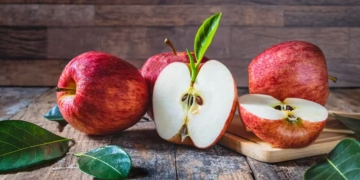
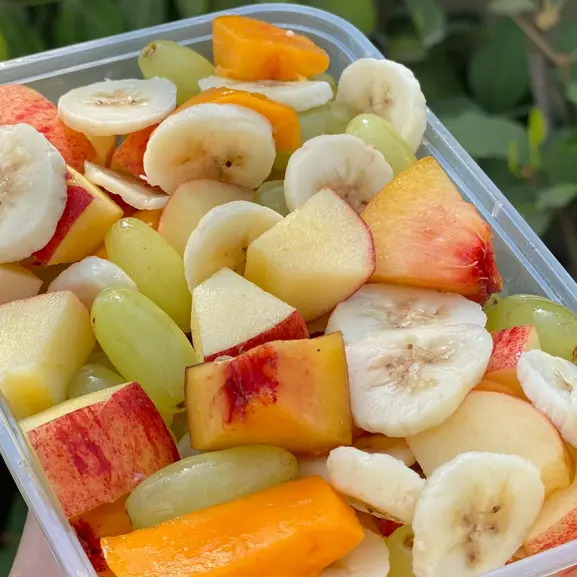
A Fruit Salad Near Me is a combination of two or more types of fruit served together, usually cut into bite-sized pieces. Common ingredients include strawberries, bananas, apples, oranges, grapes, pineapple, watermelon, mango, melon, blueberries, and kiwi.
Recipes vary widely. Some are served completely plain, allowing the natural flavor of the fruit to stand out. Others include yogurt, honey, lime juice, mint, coconut, nuts, granola, or a creamy dressing.
When buying one from a restaurant, café, juice bar, grocery store, or food-delivery service, the ingredients can be very different from one location to another.
A simple fruit salad might contain:
- Fresh seasonal fruit
- Citrus or lime juice
- Mint or fresh herbs
- A small amount of honey
- Yogurt or granola as an optional topping
A dessert-style version may include whipped cream, sweetened sauces, ice cream, chocolate, or other toppings.
Neither approach is necessarily wrong. The better choice depends on what you want from your meal.
How to Find the Best Fruit Salad Near Me
A search result can give you plenty of choices, but the first result is not automatically the best one. Take a minute to compare nearby options.
Check the Ingredient List
Look for a clear description of the fruits included. A menu that names specific ingredients gives you a better idea of what you are ordering.
For example, a description such as “fresh seasonal fruit with berries and citrus” is more useful than simply saying “fruit cup.”
If you have allergies or dietary restrictions, check the toppings and dressing as well.
Look at Recent Customer Photos
Photos can reveal things a menu description does not.
Pay attention to:
- The size of the fruit pieces
- Color and variety
- Amount of liquid in the container
- Portion size
- Overall presentation
- Whether the fruit appears fresh or dried out
A photo is not proof of quality, but several recent customer photos can help you form a realistic expectation.
Read Reviews Carefully
Do not focus only on the star rating. Read what customers actually say.
Reviews mentioning “fresh,” “crisp,” “ripe,” “made to order,” or “good portion” can be useful. On the other hand, repeated comments about watery fruit, bruised pieces, excessive syrup, or small portions may be warning signs.
Recent reviews are generally more useful than very old ones because menus, suppliers, and preparation practices can change.
Consider Preparation Time
Fruit is delicate. Once it has been cut, its texture and appearance can change fairly quickly.
If you are ordering for delivery, consider restaurants or shops that appear to prepare fruit close to ordering time. A fruit salad that sits around for hours may not have the same texture as one prepared shortly before pickup.
Where Can You Buy Fruit Salad?
There is more than one type of business worth checking when searching for a nearby fruit salad.
Juice and Smoothie Bars
Juice shops often have fruit cups, fruit bowls, smoothie bowls, or mixed-fruit dishes. These can be particularly useful if you want to customize the ingredients.
You may be able to add:
- Yogurt
- Granola
- Chia seeds
- Coconut
- Nuts
- Honey
- Additional berries
Just remember that toppings can substantially change the overall nutritional profile and portion size.
Cafés and Breakfast Restaurants
Many cafés serve fruit alongside breakfast foods. Some offer dedicated fruit bowls or seasonal fruit plates.
These are a good choice when you want fruit as part of a larger breakfast or brunch rather than as a standalone snack.
Grocery Stores
Supermarkets often sell pre-cut fruit cups and larger fruit trays. The main advantage is convenience.
Check the packaging date and inspect the fruit before buying. Look for excessive liquid, discoloration, leaking containers, or fruit that appears unusually soft.
Restaurants
Some restaurants offer fruit salad as a side dish, particularly breakfast restaurants, cafés, and health-focused eateries.
A restaurant version may be smaller than a dedicated fruit bowl but can work well if you want something fresh alongside another meal.
What Makes a Good Fruit Salad?
Freshness is the biggest factor, but it is not the only one.
Good Texture
Different fruits should retain their natural texture. Apples should generally have some crispness, grapes should be firm, and melons should not be mushy.
Very soft fruit is not automatically spoiled, but a mixture that has become uniformly watery or mushy has probably been sitting for a while.
Balanced Flavor
A good combination usually contains different flavor profiles.
Sweet fruits such as mango and grapes can work well with more acidic ingredients such as oranges, pineapple, strawberries, or a squeeze of lime.
The goal is not necessarily to make every piece taste sweet. Contrast makes the bowl more interesting.
Appropriate Ripeness
Fruit needs to be ripe enough to taste good but not so ripe that it breaks down quickly.
For example, a banana that is perfectly pleasant on its own may become soft and brown after being mixed into a fruit salad and refrigerated for an extended period.
Minimal Excess Liquid
A little natural juice is normal. A container filled with syrup or excess liquid can affect texture and flavor.
If you want a fresher-tasting option, look for salads that emphasize whole fruit rather than sweetened sauces.
Fresh Fruit Salad vs. Fruit Bowl
The terms can overlap, but menus sometimes use them differently.
A traditional fruit salad usually focuses on several types of cut fruit mixed together.
A fruit bowl may be more structured, with separate ingredients arranged around a base or topping. For example, it could contain sliced banana, berries, mango, yogurt, and granola.
If you want mostly fruit, check the ingredient proportions rather than relying on the name.
A bowl labeled “fruit” may contain significant amounts of yogurt, cereal, granola, nut butter, or other additions.
Healthy Doesn’t Always Mean Low-Calorie
Fruit provides naturally occurring sugars along with fiber and various vitamins and minerals. But the final dish depends heavily on what gets added.
A plain bowl of mixed fruit is very different from one covered in sweetened yogurt, syrup, whipped cream, granola, chocolate, and honey.
That does not make toppings bad. It simply means you should choose according to your goal.
If you want a lighter snack, consider:
- Fresh fruit
- A small amount of lime or lemon juice
- Fresh mint
- Plain yogurt in moderation
If you want something more substantial, adding yogurt, nuts, seeds, or granola can make the bowl more filling.
What Fruits Work Best Together?
There is no single perfect combination, but some pairings are especially practical.
Tropical Combination
Try mango, pineapple, watermelon, and kiwi. The mixture provides different colors, textures, and levels of sweetness.
Berry Combination
Strawberries, blueberries, blackberries, and raspberries create a bright, tart mixture. These fruits can also pair well with plain yogurt.
Classic Mixed Fruit
Apple, orange, banana, grapes, and melon make a familiar combination that is easy to find in many markets and restaurants.
Citrus-Focused Salad
Orange, grapefruit, pineapple, and strawberries can create a more acidic and refreshing flavor profile.
When choosing from a menu, seasonal ingredients can sometimes offer better flavor because fruit quality varies throughout the year.
Ordering Fruit Salad for Delivery
Delivery adds a few extra considerations.
First, check the expected delivery time. Cut fruit can lose quality if it spends too long in transit.
Second, see whether the dressing or toppings are packaged separately. Keeping yogurt, granola, honey, or sauce apart from the fruit can help preserve texture.
Third, inspect the container when it arrives. It should be properly sealed and appropriately chilled when refrigeration is expected.
If something looks or smells unusual, it is better not to eat it.
Common Mistakes When Ordering Fruit Salad
Choosing Based Only on Price
A very cheap fruit cup may look like a bargain, but portion size and ingredient quality matter.
Compare the amount of fruit you receive rather than just the listed price.
Ignoring the Toppings
A menu photo may show a beautiful fruit bowl covered with toppings. If you want mostly fresh fruit, read the description carefully.
Ordering Without Checking Reviews
A highly rated business can still have inconsistent individual menu items. Search reviews for the specific dish when possible.
Assuming Every Fruit Is Fresh
Some establishments may use frozen, canned, or pre-cut ingredients. That is not automatically a problem, but it affects taste and texture.
If freshness matters to you, look for businesses that clearly describe their fruit as freshly prepared.
Forgetting Portion Size
A small fruit cup might be perfect for a snack but disappointing if you expect a complete breakfast.
Check the listed serving size or customer photos before ordering.
Expert Tips for Choosing a Better Fruit Salad
Look for variety. Several fruits provide a more interesting mix of textures and flavors.
Check preparation details. “Made fresh daily” is useful information, but also consider recent customer feedback.
Ask for dressing on the side. This gives you more control over sweetness and texture.
Choose toppings intentionally. Yogurt, nuts, and seeds can make the bowl more substantial, while sweet sauces can make it more dessert-like.
Consider seasonality. The best fruit available locally can change throughout the year.
Inspect pre-packaged fruit. Avoid containers showing excessive liquid, damaged packaging, or obvious deterioration.
Think about timing. A fruit salad ordered shortly before eating will usually have a better texture than one that sits for a long time.
Frequently Asked Questions
Where can I find the best fruit salad near me?
Start with nearby juice bars, cafés, breakfast restaurants, grocery stores, and restaurants. Compare menus, recent reviews, customer photos, ingredients, and portion sizes before choosing.
What should I look for in a fresh fruit salad?
Look for vibrant fruit, appropriate texture, natural aroma, and limited excess liquid. Freshly prepared fruit should generally look clean and appetizing rather than watery or heavily discolored.
Is fruit salad a healthy snack?
A fruit-based salad can be a convenient way to include fruit in your diet. The overall nutritional value depends on the ingredients and toppings, so check for added syrups, sweetened sauces, whipped cream, and large portions of granola or other extras.
Can I order fruit salad for delivery?
Yes. Many restaurants, cafés, grocery stores, and juice shops offer fruit bowls or fruit cups through delivery services. Check the estimated delivery time and whether toppings are packaged separately.
What fruits are usually included in fruit salad?
Common choices include apples, bananas, grapes, oranges, strawberries, pineapple, watermelon, melon, mango, and kiwi. The exact combination depends on the business and season.
Should fruit salad have dressing?
It does not need dressing. Citrus juice, lime, or mint can add flavor without making the fruit overly sweet. Yogurt or other dressings are optional.
How long does homemade fruit salad last?
It depends on the fruits used and how quickly it is refrigerated. Store cut fruit in a clean, covered container and follow standard food-safety practices. Some softer fruits lose their texture faster than others.
Can I customize a fruit salad?
Often, yes. Some businesses allow you to remove fruits, add preferred ingredients, or choose toppings separately. If customization is not listed, you can ask before ordering.
Final Thoughts
Finding a good fruit salad near me is less about picking the first search result and more about knowing what to check. Freshness, fruit quality, preparation time, portion size, toppings, customer feedback, and delivery conditions all affect the final experience.
For a simple snack, a fresh mixture of seasonal fruit may be all you need. If you want a more filling breakfast, yogurt, nuts, seeds, or granola can turn it into a more substantial bowl.
The best choice is ultimately the one that matches your appetite, budget, and preference for fresh fruit. Take a moment to compare nearby menus and recent reviews, and you will have a much better chance of getting a fruit salad that is genuinely worth ordering.