
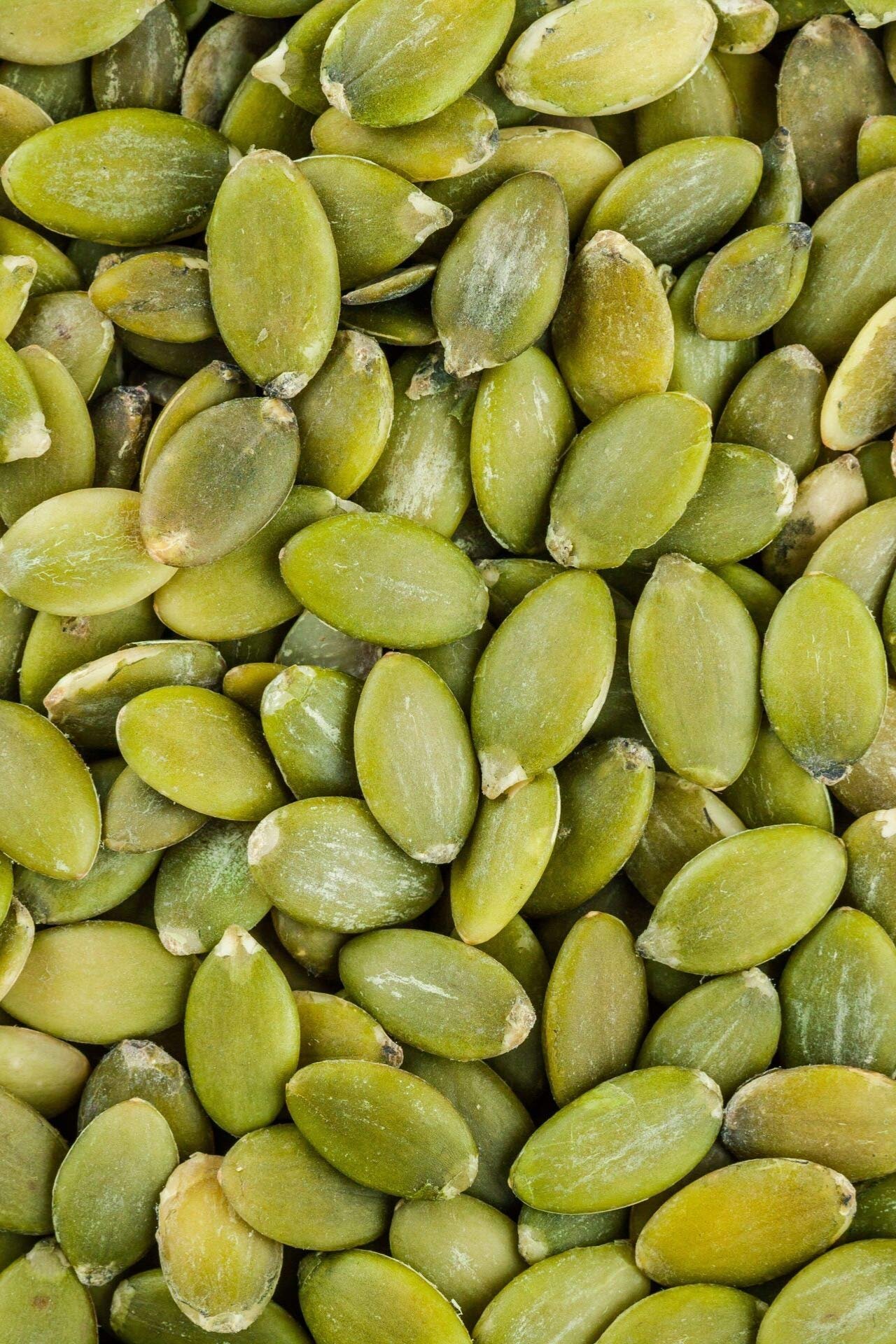
Pumpkin seeds are small, crunchy, and surprisingly versatile. You can eat them straight from the packet, roast them with simple seasonings, sprinkle them over salads, blend them into sauces, or add them to oatmeal and baked goods. They also provide useful amounts of protein, healthy fats, fiber, magnesium, zinc, iron, and other nutrients.
Often called pepitas, pumpkin seeds can refer to the whole seed or, more commonly, the green seed kernel with the outer shell removed. Their nutritional value makes them an easy addition to meals, but they are not a magic food. Like any calorie-dense seed, portions matter.
This guide explains what pumpkin seeds contain, their potential health benefits, how to prepare them, and practical ways to include them in your diet.
What Are Pumpkin Seeds?
Pumpkin seeds are the edible seeds found inside pumpkins and other varieties of winter squash. They can be eaten with their white outer shell or purchased as shelled green kernels.
The shelled variety is often known as pepitas. They have a mild, nutty flavor and a firm texture that becomes especially pleasant when toasted.
You can find pumpkin seeds:
- Raw and unsalted
- Roasted and salted
- Shelled or unshelled
- Plain or seasoned
- Added to granola and trail mixes
- Ground into spreads or sauces
Their versatility is one reason they have become a popular ingredient beyond traditional pumpkin recipes.
Pumpkin Seeds Nutrition
Pumpkin seeds are relatively energy-dense because they contain a substantial amount of fat. However, much of that fat is unsaturated.
They also contribute several minerals and other nutrients to the diet, including:
- Protein, which helps support muscle and tissue maintenance
- Magnesium, involved in many processes throughout the body
- Zinc, important for immune function and normal cell processes
- Iron, needed for hemoglobin production
- Phosphorus, which contributes to bones and energy metabolism
- Copper, involved in connective tissue and iron metabolism
- Manganese, which participates in several metabolic reactions
- Fiber, particularly when the whole seed is eaten
Exact nutrition varies depending on whether the seeds are shelled, roasted, salted, or prepared with other ingredients.
Because pumpkin seeds are concentrated in calories, a small serving can add significant nutrition without requiring a large portion.
Health Benefits of Pumpkin Seeds
1. They Provide Plant-Based Protein
Pumpkin seeds can contribute meaningful protein to meals and snacks.
Protein is essential for maintaining muscles, repairing tissues, and producing enzymes and hormones. For people who eat mostly plant foods, seeds can be a convenient way to add protein alongside beans, lentils, nuts, whole grains, and other plant sources.
They should not be viewed as a complete replacement for higher-protein foods, but they can complement a balanced diet.
2. They Are a Good Source of Magnesium
Magnesium is one of the standout minerals found in pumpkin seeds.
The body uses magnesium for numerous functions, including normal muscle and nerve function, energy production, and maintaining healthy bones.
Including magnesium-rich foods such as seeds, nuts, legumes, whole grains, and leafy vegetables can help build a nutrient-dense eating pattern.
3. They Supply Zinc
Pumpkin seeds also contain zinc, a mineral involved in immune function, wound healing, DNA production, and normal growth and development.
The amount of zinc your body absorbs from plant foods can vary because some plant foods contain compounds such as phytate that can reduce mineral absorption.
This does not make pumpkin seeds a poor food. It simply means that overall dietary variety matters.
4. They Contain Unsaturated Fats
Pumpkin seeds contain a mixture of fats, with a significant proportion being unsaturated fat.
Replacing some sources of saturated fat with foods rich in unsaturated fats can be part of a heart-conscious eating pattern.
Still, pumpkin seeds remain calorie-dense. Eating large amounts simply because a food is considered “healthy” can add more calories than intended.
5. They Add Fiber to the Diet
Whole pumpkin seeds with their edible outer shell contain more fiber than shelled kernels.
Fiber supports normal digestive health and can help meals feel more satisfying. It is also useful for maintaining a balanced diet that includes vegetables, fruits, legumes, and whole grains.
If your usual diet is low in fiber, increase high-fiber foods gradually and drink enough fluid.
6. They Provide Antioxidant Compounds
Pumpkin seeds contain various plant compounds, including antioxidants.
Antioxidants help protect cells from oxidative damage. However, it’s better to think of pumpkin seeds as one part of an overall diet rich in different plant foods rather than relying on a single food for antioxidant protection.
Colorful vegetables, fruits, legumes, whole grains, nuts, and seeds all provide different beneficial compounds.
How to Eat Pumpkin Seeds
There is no single “best” way to eat pumpkin seeds. The right choice depends on how you want to use them.
Eat Them Raw
Raw pumpkin seeds are convenient and require no preparation.
Add a spoonful to:
- Oatmeal
- Yogurt
- Smoothies
- Salads
- Cereal
- Homemade trail mix
Choose unsalted seeds if you want greater control over sodium intake.
Roast Them
Roasting brings out a deeper, nuttier flavor and makes the seeds especially crunchy.
A simple method is:
- Remove the seeds from a pumpkin.
- Rinse away excess pumpkin flesh.
- Dry them thoroughly.
- Toss with a small amount of oil.
- Add your preferred seasoning.
- Spread them in a single layer on a baking tray.
- Roast until lightly browned and crisp.
- Let them cool before storing.
Keep an eye on them because seeds can go from nicely toasted to burnt fairly quickly.
Add Them to Salads
Pumpkin seeds provide crunch without relying on croutons.
Try them with leafy greens, roasted vegetables, beans, tomatoes, cucumber, or a simple lemon-based dressing.
Use Them in Breakfast
They work particularly well with:
- Overnight oats
- Porridge
- Greek or plain yogurt
- Smoothie bowls
- Homemade granola
- Whole-grain cereal
A small sprinkle can improve both texture and nutritional variety.
Blend Them Into Sauces
Shelled pumpkin seeds can be blended into creamy sauces, dips, and spreads.
In some cuisines, pumpkin seeds are also used to make traditional sauces and savory preparations. Their mild flavor makes them useful when you want richness without using dairy.
Are Pumpkin Seeds Good for Weight Management?
Pumpkin seeds can fit into a weight-management diet, but portion size matters.
Their protein, fat, and fiber can make them satisfying, while their calorie density means a large handful can contain considerably more energy than expected.
A practical approach is to measure a serving rather than eating directly from a large bag.
For example, add a measured portion to yogurt or fruit instead of repeatedly snacking from the package.
The bigger picture matters more than any individual food: total calorie intake, dietary quality, activity, sleep, and eating habits all influence body weight.
Pumpkin Seeds vs. Pumpkin Seed Shells
Both whole and shelled pumpkin seeds can be eaten, but their texture is different.
The outer shell is fibrous and considerably tougher than the green kernel. Some people enjoy eating whole roasted seeds, while others prefer shelled pepitas because they are easier to chew and use in recipes.
If you have difficulty chewing tough foods or simply dislike the texture, shelled seeds are the more convenient option.
Common Mistakes When Eating Pumpkin Seeds
Eating Too Many
Because pumpkin seeds are nutritious, it’s easy to assume more is always better.
They’re still energy-dense. Keep portions reasonable, particularly if you’re watching your overall calorie intake.
Choosing Heavily Salted Versions
Salted roasted seeds can be delicious, but some packaged versions contain substantial sodium.
Check the nutrition label if you’re trying to reduce sodium.
Storing Them Incorrectly
The fats in seeds can eventually become rancid, particularly when exposed to heat, air, or light.
Keep pumpkin seeds in an airtight container in a cool, dry location. For longer storage, refrigeration can help maintain freshness.
Assuming They Cure Health Problems
Pumpkin seeds contain useful nutrients, but eating them is not a treatment for a disease or a substitute for medical care.
Be cautious with claims that promise dramatic health effects from a single food.
Expert Tips for Buying Pumpkin Seeds
When shopping, look beyond the front of the package.
Check the ingredient list. Plain seeds are often the simplest choice.
Compare sodium levels. This is particularly useful when choosing roasted or flavored varieties.
Look at the serving size. Different brands may use different serving sizes, making comparisons less obvious.
Check freshness. Pumpkin seeds should smell fresh and nutty rather than stale, sour, or strongly oily.
Consider shelled seeds for cooking. Pepitas are convenient for salads, sauces, toppings, and baking.
How to Store Pumpkin Seeds
Proper storage helps protect flavor and quality.
For short-term storage, place them in an airtight container away from direct sunlight and heat.
If you purchased a large quantity or live in a warm environment, refrigeration can be useful. For even longer storage, freezing is another option.
Before eating stored seeds, check their smell and taste. A stale or unpleasant flavor is a good reason to discard them.
Can You Eat Pumpkin Seeds Every Day?
For most people, pumpkin seeds can be included regularly as part of a balanced diet.
The key is variety and portion control. You don’t need to eat them every day to benefit from their nutrients, and there is no special requirement that makes daily consumption necessary.
You might use them several times a week alongside other nuts, seeds, legumes, whole grains, vegetables, and fruits.
People with specific dietary restrictions, allergies, or medical conditions may need individualized advice from a qualified healthcare professional.
Frequently Asked Questions About Pumpkin Seeds
Are pumpkin seeds healthy?
Yes. Pumpkin seeds provide protein, unsaturated fats, fiber, magnesium, zinc, iron, and other nutrients. Their overall value depends on portion size and how they are prepared.
Can you eat pumpkin seeds with the shell?
Yes, the shells of many pumpkin varieties can be eaten when properly cleaned and cooked. They are more fibrous and chewy than shelled kernels.
Are pumpkin seeds good for protein?
They can contribute useful plant-based protein, although they are better considered one protein source among many rather than a primary protein food.
Are pumpkin seeds good for digestion?
Whole pumpkin seeds provide fiber, which supports normal digestive health. If you’re increasing your fiber intake, do so gradually and maintain adequate fluid intake.
Should pumpkin seeds be raw or roasted?
Both can work. Raw seeds are convenient, while roasting produces a stronger nutty flavor and crunch. Avoid burning them during roasting.
Can you eat pumpkin seeds every day?
Yes, they can be part of a daily diet for many people. Keep portions sensible because seeds are calorie-dense, and choose varieties that fit your sodium preferences.
Do pumpkin seeds contain magnesium?
Yes. Pumpkin seeds are recognized as a useful dietary source of magnesium.
Final Thoughts
Pumpkin seeds are an easy way to add crunch, protein, healthy fats, fiber, and important minerals to everyday meals. They work just as well in breakfast bowls as they do in salads, baked foods, snacks, and savory dishes.
Their biggest advantage is practicality: you don’t need an elaborate recipe to use them. Keep a small portion on hand and add it where you want extra texture and nutrition.
Just remember that “nutritious” does not mean unlimited. Choose quality products, watch portions, and vary your diet so pumpkin seeds complement—not replace—a broad range of nutrient-rich foods.