
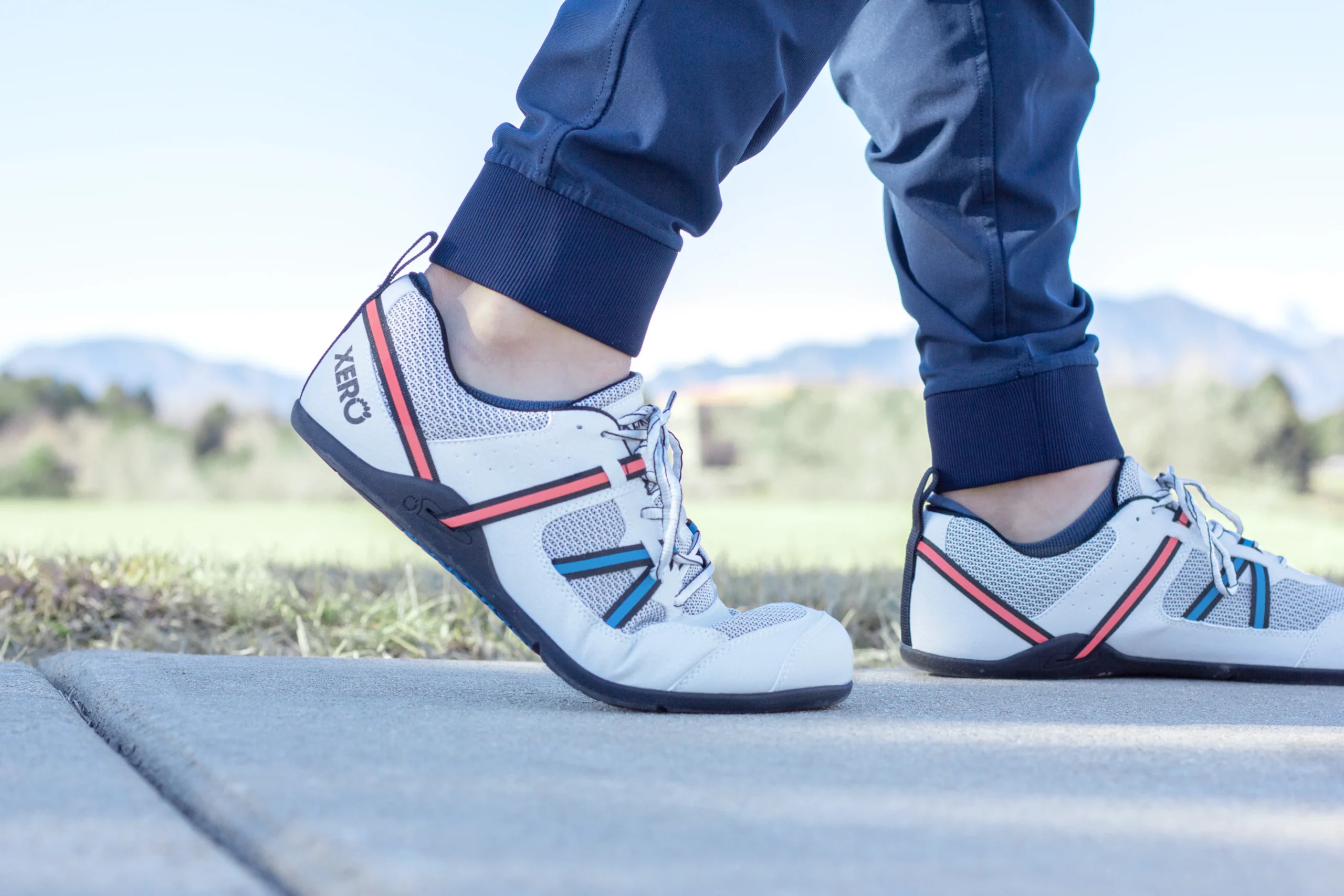
If you’re looking for footwear that feels less restrictive than traditional shoes, Xero Shoes are worth understanding. The brand is known for minimalist footwear designed to give your feet more room to move while keeping the sole relatively thin and flexible.
That approach can feel very different if you’re used to thick, cushioned running shoes or firm everyday footwear. Some people like the lighter, more natural feel. Others need time to adjust, especially when moving from heavily cushioned shoes to minimalist designs.
This guide explains what Xero Shoes are, how their design works, who may find them useful, and what to consider before buying a pair.
What Are Xero Shoes?
Xero Shoes is a footwear brand focused on minimalist and barefoot-style shoes and sandals.
The basic idea is straightforward: instead of building a shoe around a thick, heavily structured sole, minimalist footwear aims to let your feet move with fewer restrictions.
Xero Shoes use features commonly associated with barefoot footwear, including flexible soles, relatively low weight, and a design intended to allow natural foot movement. Many models also have a wider toe area than conventional shoes.
The exact construction varies by model. A casual sneaker, trail shoe, running shoe, and sandal can have noticeably different levels of cushioning, flexibility, and protection.
That’s why it’s better to choose a model based on how you intend to use it rather than assuming every shoe from the brand will feel the same.
Why the Minimalist Design Matters
Your feet aren’t shaped like narrow shoe boxes. They contain numerous bones, joints, muscles, tendons, and other structures that work together as you walk and run.
Traditional footwear can vary considerably in shape and stiffness. Some shoes taper toward the toes, while others use thick midsoles that change how much contact you have with the ground.
Minimalist shoes take a different approach.
A flexible sole can allow more movement through the foot. A low-profile construction can also make the ground feel more noticeable beneath your feet.
That doesn’t automatically make minimalist footwear better for everyone. It simply creates a different experience.
For someone accustomed to heavily cushioned footwear, the change can be significant.
Key Features of Xero Shoes
Flexible Soles
Flexibility is one of the defining characteristics of minimalist footwear. A flexible sole can bend with your foot instead of forcing the shoe to maintain a rigid shape.
This can be particularly noticeable when walking, climbing, exercising, or performing movements that require your feet to adapt to the surface.
Low-Profile Construction
Many Xero models have a relatively thin sole compared with conventional athletic shoes.
The benefit is greater ground feedback. You may notice the surface beneath your feet more clearly.
The trade-off is equally important: you don’t get the same amount of cushioning or separation from rough surfaces that you might get from a thick-soled shoe.
Roomier Toe Area
A minimalist shoe generally aims to avoid excessively squeezing the toes together.
This matters because your toes contribute to balance and stability during movement. However, “wide” doesn’t mean every Xero model will fit every foot shape perfectly.
Always check the specific model’s sizing and shape before buying.
Lightweight Feel
Many minimalist shoes are designed to avoid unnecessary bulk. This can make them comfortable for walking and everyday activities where you don’t want a heavy shoe.
Weight alone, however, shouldn’t determine your choice. For hiking or demanding outdoor use, protection and traction may matter more.
Who Might Consider Xero Shoes?
Xero Shoes can appeal to people interested in minimalist footwear for several different reasons.
Everyday Walking
Some people prefer a flexible shoe for errands, commuting, casual walks, or general daily use.
A minimalist design can provide a noticeably different sensation from a heavily padded sneaker.
Gym and Strength Training
Certain minimalist models can work well for strength-focused workouts because the relatively low-profile design provides a stable connection with the floor.
The right choice depends on the activity. A shoe suitable for weight training isn’t necessarily the best option for running or long-distance hiking.
Running
Xero Shoes also offers running-focused footwear. However, transitioning to minimalist running shoes deserves caution.
If you’ve spent years running in heavily cushioned shoes, suddenly switching to a much thinner sole can change the demands placed on your feet and lower legs.
A gradual transition is generally more sensible than immediately replacing all your running footwear.
Outdoor Activities
Some models are designed for trails and outdoor use, offering features such as increased traction and additional protection.
For hiking, look beyond the minimalist label. Consider the terrain, weather, distance, grip, durability, and protection required for your particular activity.
How to Choose the Right Xero Shoes
The best model depends primarily on what you’re going to do in it.
- Start With Your Main Activity
Ask yourself what you’ll actually use the shoes for.
Walking: Look for comfortable everyday designs.
Gym workouts: Prioritize flexibility and a stable base.
Running: Choose a model intended for running and transition gradually.
Hiking: Pay close attention to traction and protection.
Casual use: Comfort, fit, and appearance may matter most.
This simple step can eliminate many unsuitable choices.
- Think About Your Current Footwear
If you’re already wearing minimalist shoes, the transition may be relatively easy.
If you normally wear thick, highly cushioned footwear, expect a different experience.
Your feet and lower legs may need time to adapt to the increased movement and ground feedback.
- Pay Attention to Fit
Don’t judge fit only by shoe length.
Check:
Toe room
Heel security
Midfoot comfort
Width
Pressure points
Whether your toes can move naturally
A shoe can technically be the correct length and still have the wrong shape for your foot.
- Consider the Surface
Where you wear the shoe matters.
A thin, flexible sole may feel excellent on smooth pavement but provide a very different experience on sharp rocks or rough trails.
Choose the amount of protection based on the environment rather than simply choosing the thinnest option available.
Common Mistakes to Avoid
Switching Too Quickly
This is one of the biggest mistakes people make with minimalist footwear.
If your body is accustomed to cushioned shoes, wearing minimalist footwear for a long run on day one may be an unnecessary shock.
Start with shorter periods and increase use gradually.
Assuming Minimalist Means Pain-Free
Minimalist footwear isn’t automatically comfortable for every person.
Your feet have individual characteristics, and your previous footwear habits also matter.
Some people adapt easily. Others may prefer more cushioning or support.
Choosing Based Only on Appearance
A shoe can look great and still be wrong for your intended activity.
Running, hiking, gym training, and casual walking place different demands on footwear.
Ignoring Terrain
A minimalist shoe doesn’t eliminate the need for protection.
If you’re walking across rough trails, wet surfaces, or rocky terrain, traction and durability become important considerations.
Tips for Transitioning to Minimalist Footwear
If you’re new to barefoot-style shoes, take the transition slowly.
Start by wearing them for short walks rather than immediately using them for intense exercise. Pay attention to how your feet, calves, and lower legs respond.
You can gradually increase the amount of time you spend wearing them if they remain comfortable.
There’s also no requirement to abandon your existing shoes immediately. Some people use minimalist shoes for everyday walking while continuing to use conventional footwear for particular sports or longer activities.
If you experience persistent or significant pain, stop the activity and consider getting advice from an appropriately qualified healthcare professional.
Are Xero Shoes Good for Everyday Walking?
They can be a practical option for people who enjoy minimalist footwear and want a flexible everyday shoe.
The main question isn’t simply whether Xero Shoes are “good.” It’s whether their particular design matches your feet, walking habits, and preferences.
Someone who enjoys a flexible, low-profile shoe may appreciate them. Someone who needs substantial cushioning or prefers a more structured shoe may have a different experience.
That’s why fit and intended use matter more than a blanket recommendation.
Xero Shoes vs. Traditional Cushioned Shoes
The difference is easiest to understand by looking at the overall philosophy.
Traditional cushioned shoes often emphasize impact protection, padding, structure, and comfort.
Minimalist footwear places greater emphasis on flexibility, low weight, ground feel, and allowing the foot to move more freely.
Neither approach works identically for every person.
The important thing is to understand the trade-off. More cushioning can feel comfortable and protective, while a thinner and more flexible shoe can provide greater ground feedback and freedom of movement.
Frequently Asked Questions
What are Xero Shoes?
Xero Shoes are minimalist and barefoot-style footwear designed around features such as flexible soles, low-profile construction, and natural foot movement.
Are Xero Shoes good for walking?
They can be suitable for walking if you like minimalist footwear and the particular model fits your feet well. New users should consider a gradual transition.
Are Xero Shoes wide?
Many Xero Shoes are designed with room for natural toe movement, but the fit varies between models. Check the specifications and sizing information for the specific shoe you’re considering.
Can you run in Xero Shoes?
Yes, Xero Shoes makes running-oriented models. However, runners coming from heavily cushioned footwear should transition gradually rather than immediately changing their normal running distance.
Are Xero Shoes comfortable?
Comfort depends on your feet, the model, your activity, and your familiarity with minimalist footwear. A shoe that feels excellent to one person may not suit another.
Do Xero Shoes have cushioning?
Some models provide more cushioning than others. The brand’s range includes different designs for activities such as running, hiking, training, and everyday wear.
Are Xero Shoes suitable for hiking?
Certain models are designed for outdoor and trail use. When choosing one for hiking, consider traction, terrain, weather, durability, and the amount of protection you need.
How long does it take to get used to Xero Shoes?
There isn’t one fixed adjustment period. Someone already accustomed to minimalist shoes may adapt quickly, while a person moving from highly cushioned footwear may need a more gradual transition.
Final Thoughts
Xero Shoes offer a different approach to footwear by emphasizing flexibility, low-profile construction, natural movement, and ground feel. That combination can appeal to walkers, runners, gym users, outdoor enthusiasts, and people who simply dislike bulky shoes.
But minimalist footwear isn’t a universal solution. The right choice depends on your foot shape, activity, previous footwear, terrain, and personal comfort.
If you’re considering making the switch, focus less on the label and more on the specific model, fit, intended activity, and transition process. Starting gradually can also give you a better idea of whether this style of footwear genuinely works for you.