
You’re craving Sabudana Khichdi Near Me, and you want it now not a recipe, not a story about your grandmother’s kitchen, just a plate of it from somewhere close by. That’s a fair ask, and it’s a trickier one than it sounds. Sabudana khichdi isn’t on every menu the way biryani or dosa is. It shows up seasonally, it disappears during non-fasting months at a lot of restaurants, and the places that do it well aren’t always the places you’d expect.
This guide is built around one goal: helping you actually find sabudana khichdi near you, and helping you tell a good plate from a mediocre one before you order it.
What Is Sabudana Khichdi, Exactly?
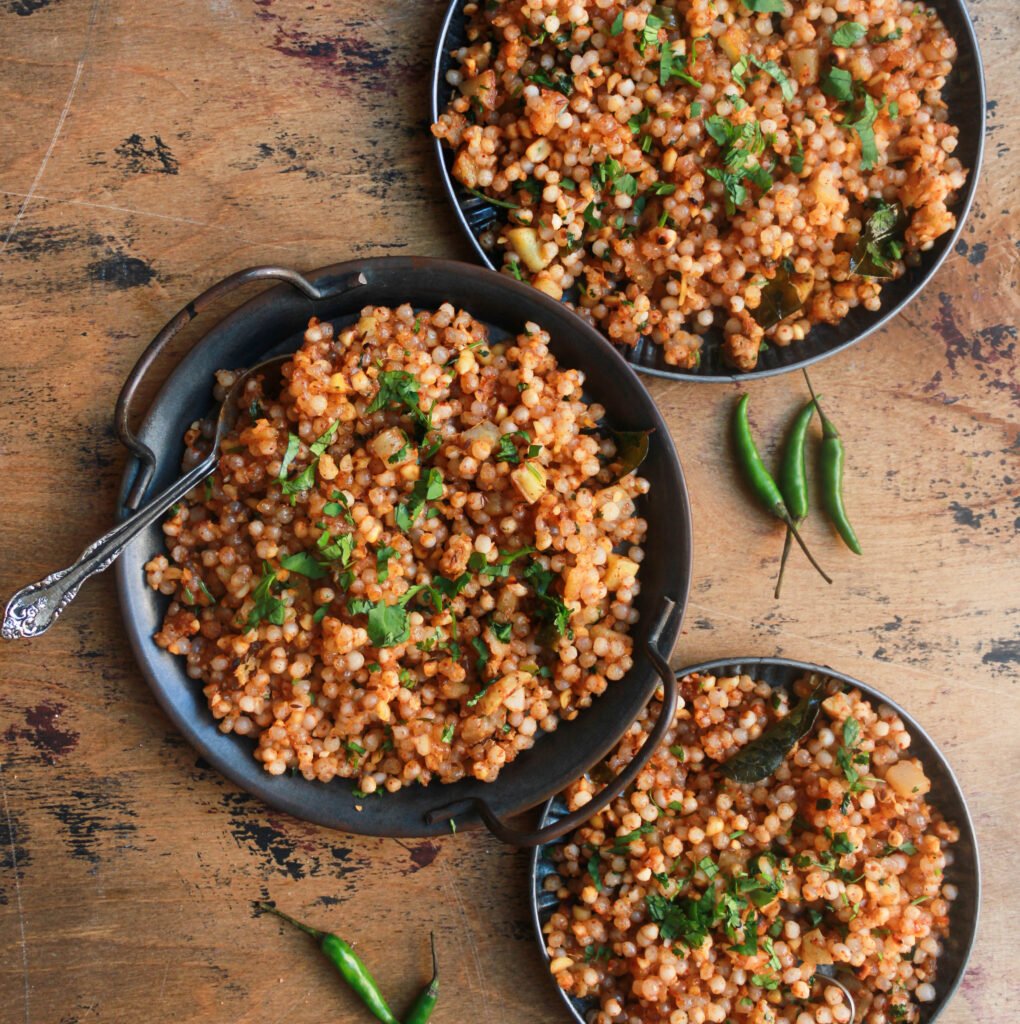
Sabudana khichdi is a dish made from soaked tapioca pearls (sabudana), tempered with peanuts, cumin, curry leaves, and green chili, and usually finished with a squeeze of lime and fresh coriander. It’s light, slightly chewy, and mildly spiced — built to be filling without being heavy, which is why it’s the go-to food during religious fasting days like Navratri, Ekadashi, and Maha Shivratri.
Because it’s a fasting-friendly (vrat) dish, it’s cooked without regular salt (rock salt or sendha namak instead), onion, or garlic. That’s not a small detail — it changes how the dish tastes, and it’s the reason a restaurant that makes excellent khichdi on a normal day might not know how to make proper vrat-style khichdi at all.
Why the “Near Me” Search Is Harder Than It Looks
Searching “sabudana khichdi near me” runs into a few practical problems:
- Seasonality. Many restaurants only put it on the menu during Navratri or other fasting periods. Search outside that window and you’ll get a lot of dead ends.
- Regional gaps. It’s far more common in Maharashtrian, Gujarati, and North Indian kitchens than in South Indian or Indo-Chinese ones. A restaurant three blocks away might simply never serve it.
- Menu inconsistency. Some places list it as “sabudana khichdi,” others as “sago khichdi,” “sabudana pulao,” or just “vrat ka khana.” If you search only the exact phrase, you’ll miss real options.
- Home cooks vs. restaurants. In a lot of neighborhoods, the best khichdi isn’t at a restaurant at all — it’s from a home-based tiffin service or a local sweet shop that takes fasting-season orders.
Knowing this changes how you search, not just where.
Where to Actually Look
Google Maps and Search. Instead of only typing “sabudana khichdi near me,” try “vrat food near me,” “Maharashtrian restaurant near me,” or “Gujarati thali near me.” These pull in kitchens that are far more likely to have it, even if it’s not the headline dish.
Food delivery apps. Zomato and Swiggy (or your local equivalent) let you filter by dish name in the search bar within the app, which is usually more accurate than a general web search. Filter by “pure veg” too — sabudana khichdi almost never appears on a non-veg-heavy menu.
Community groups. Local WhatsApp groups, neighborhood Facebook pages, and temple or community center bulletin boards are surprisingly reliable during Navratri. Home cooks who make khichdi for fasting season often don’t show up on Google at all.
Sweet shops and snack counters. In many cities, the mithai shop or a small Maharashtrian/Gujarati snack counter makes khichdi fresh in the morning and sells it by weight. It’s often better than what you’d get at a sit-down restaurant, and cheaper.
What to Check Before You Order
A few quick checks save you from a disappointing plate:
Ask if it’s made vrat-style. If you’re ordering it specifically for fasting, confirm the restaurant uses sendha namak and skips onion-garlic. Some places make a “regular” version with table salt that isn’t fasting-appropriate.
Check how fresh the sabudana is. Good khichdi has pearls that are soft but distinct — not mushy, not clumped into a paste, not undercooked and chalky in the center. If a place’s photos or reviews mention “gooey” or “sticky,” that’s usually a soaking or cooking-time problem.
Look at the peanut-to-sabudana ratio. This sounds minor, but it matters. Too few peanuts and the dish is bland and one-note; a good khichdi has enough roasted peanut to give it crunch and depth in nearly every bite.
Read recent reviews, not just the rating. A 4.3-star average doesn’t tell you if the khichdi specifically is good — restaurants get rated on their whole menu. Search reviews for the word “khichdi” directly if the platform allows it.
Common Mistakes People Make
Searching only during off-season and giving up. If you search in July and find nothing, that’s not proof it’s unavailable near you — it may just mean no one’s serving it that month. Try again closer to Navratri or other fasting dates.
Assuming all khichdi is fasting-safe. Some restaurants serve a non-vrat version with regular salt and onion for everyday customers. If fasting rules matter to you, always ask.
Ordering delivery for a dish that doesn’t travel well. Sabudana khichdi can turn gummy if it sits too long after cooking, especially in a sealed container that traps steam. If you’re ordering delivery, go for restaurants close enough that it arrives within 20–25 minutes, and ask them to keep the lid slightly loose if that’s an option.
Overlooking home cooks. Home-based food sellers frequently make better vrat food than commercial kitchens simply because they cook it the way it’s made at home — smaller batches, closer attention, less compromise for scale.
Expert Tips for Getting It Right
If you’re new to the dish or ordering it for someone who’s observing a fast, a few practical habits help:
- Order earlier in the day. Most places that make khichdi cook one or two batches, usually in the morning, and it sells out by early afternoon during peak fasting days.
- If a place lets you customize, ask for extra peanuts and a side of lime — small requests, but they noticeably improve a mediocre batch.
- Pair it with plain yogurt or a masala chai if you’re getting it as a light meal rather than a full one; that combination is traditional for a reason — it balances the starchiness.
- If you loved a place’s khichdi during Navratri, ask if they take advance orders for other fasting days like Ekadashi. Many will, even if it’s not on the regular menu.
Frequently Asked Questions
Is sabudana khichdi available year-round, or only during festivals? It depends on the restaurant. Some Maharashtrian and Gujarati restaurants keep it on the menu year-round; many others only make it during fasting periods like Navratri, Ekadashi, or Shivratri. If you’re searching outside those windows, widen your search terms to “vrat food” or “Gujarati/Maharashtrian restaurant” instead.
What’s the difference between sabudana khichdi and sabudana vada? Khichdi is a soft, spooned dish with loose sabudana pearls; vada is the same base ingredients shaped into patties and deep-fried. They’re often sold at the same counters during fasting season, so if one isn’t available, ask about the other.
Can I ask a restaurant to make it without potatoes or with fewer peanuts (for allergies)? Yes, most places will adjust for allergies if you ask ahead, especially for peanuts, which are a common allergen in this dish. Potatoes are usually a minor ingredient and easy to leave out.
Why does my delivery order sometimes arrive mushy or clumped together? This usually comes down to over-soaking the sabudana before cooking, or the dish sitting too long in a sealed container after cooking. It’s a preparation and packaging issue, not something wrong with the ingredients themselves.
Is sabudana khichdi gluten-free? Yes, sabudana (tapioca pearls) is naturally gluten-free, and a traditional recipe doesn’t use any wheat-based ingredients. Just double-check with the restaurant if cross-contamination is a concern for you.
Why can’t I find it listed by name on some delivery apps even though the restaurant makes it? Some restaurants list it under a broader category like “vrat thali” or “fasting special” rather than as a standalone item. Searching the restaurant’s full menu, rather than just the dish name, often turns it up.
Is it better to get sabudana khichdi from a restaurant or a home cook? Both can be good, but home cooks or small snack counters often make it in smaller, fresher batches with more attention to texture, which tends to matter a lot for this particular dish.
Final Thoughts
Finding good sabudana khichdi near you is less about the exact search phrase and more about knowing when and where to look. Widen your search terms, lean on delivery app filters and local community groups, and don’t overlook the sweet shop or home cook down the street — that’s often where the best version of this dish is quietly being made.